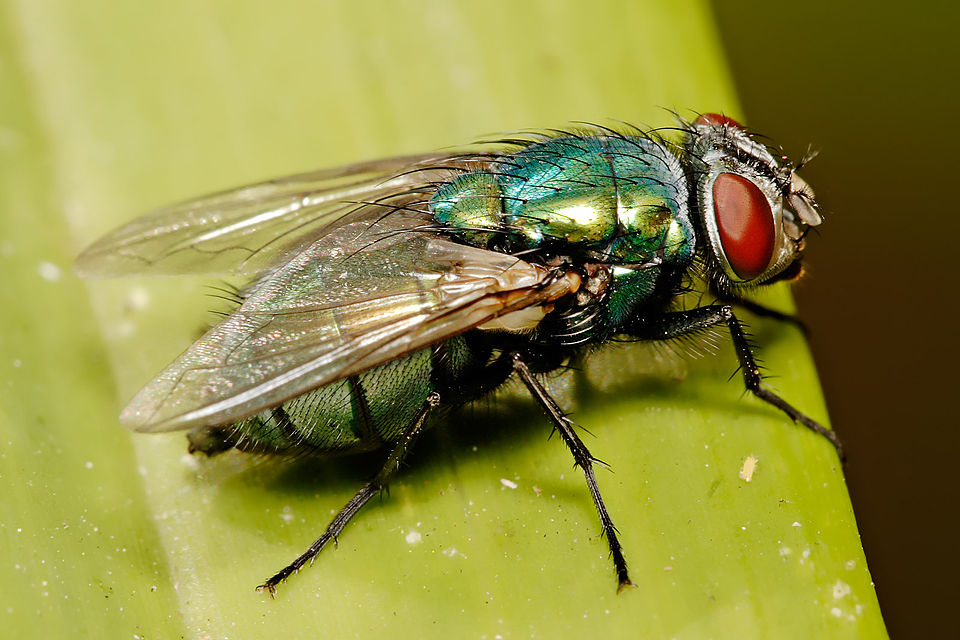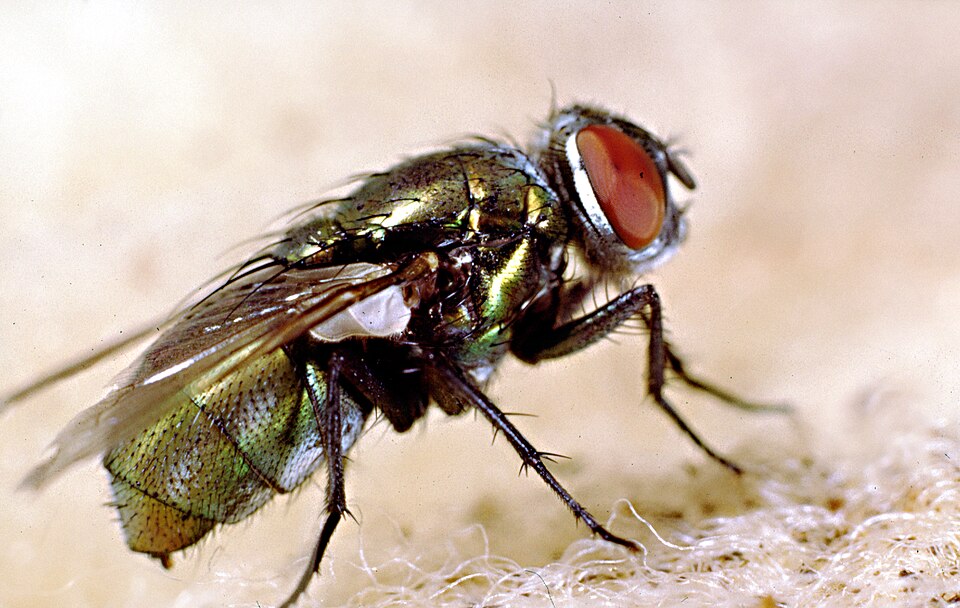
The Food and Drug Administration this week cleared a second fly species for use in maggot wound therapy, and the company behind the approval says it now holds a position no other firm in the world can claim.
According to Ars Technica, Singapore-based Cuprina Holdings announced the clearance for Lucilia cuprina, known as the Australian sheep blowfly. The company markets the larvae under the name MediFly Maggots. With this approval, Cuprina is the only company with FDA clearance to sell two different species of fly larvae for medical use.
Maggot debridement therapy, also called biosurgery or MDT, uses living fly larvae to clean wounds by consuming dead tissue while leaving healthy tissue intact. The practice has been used in modern clinical settings for decades. The other fly species with FDA clearance is Lucilia sericata, the common green bottle fly, which received its initial clearance in 2004.
That original clearance was granted to Ronald Sherman, who is now Cuprina's Medical and Scientific Director. Sherman has spent years advocating for broader acceptance of maggot therapy in clinical wound care.
"Maggot debridement therapy has earned its place in modern wound care, and adding a second FDA-cleared species strengthens the entire field," Sherman said. "Lucilia cuprina has a meaningful international track record, and bring[ing] it under US FDA clearance gives clinicians and their patients more flexibility in how this therapy is delivered."
Cuprina makes no claim that L. cuprina is therapeutically superior to L. sericata. Instead, the company frames the two species as fitting different markets. L. sericata is more familiar to clinicians in Western countries, while L. cuprina may carry more recognition in Australia, Africa, Asia, and parts of the Americas.
"We now hold FDA clearance for both species used in MDT, a position no other company holds," said Cuprina CEO David Quek. "This anchors our wound-care platform in one of the world's most demanding regulatory markets and gives us a defensible edge as we continue to build our portfolio."
The company did not release pricing or a timeline for when MediFly Maggots will be available in U.S. clinical settings.