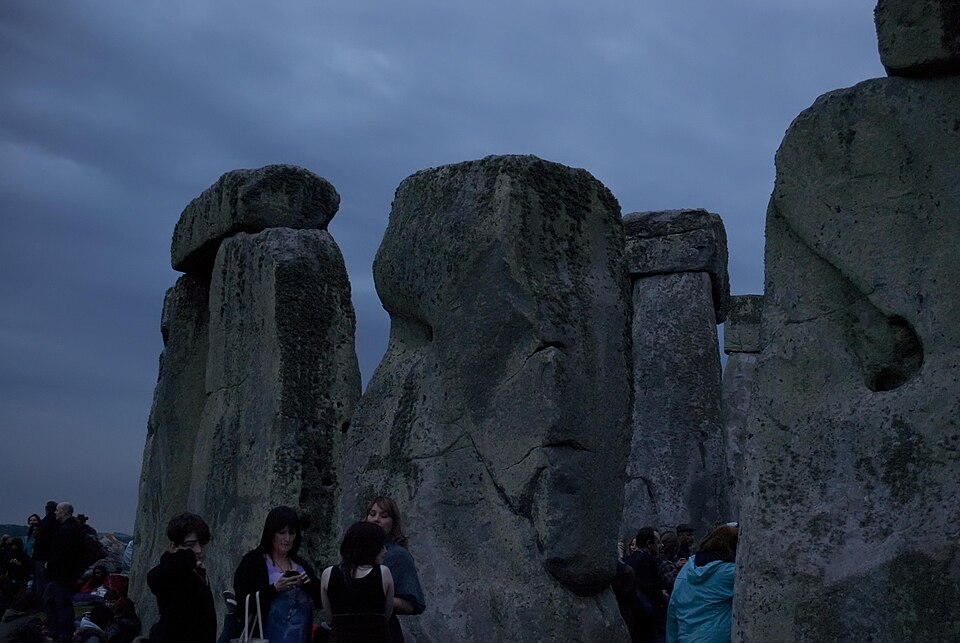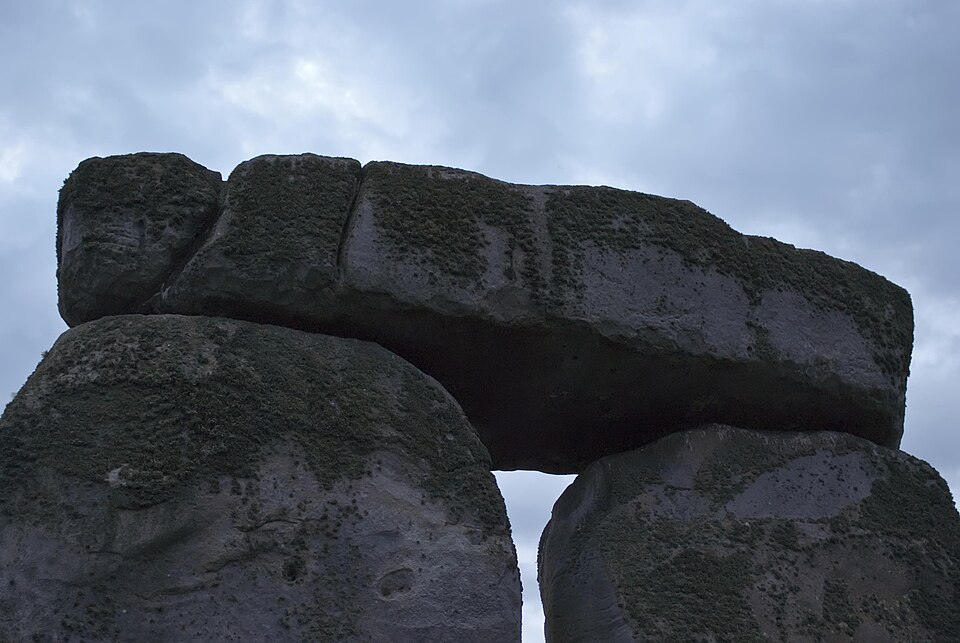
Traces of two large wooden posts found near Stonehenge in southwest England show that people were tracking the summer and winter solstices in that area roughly 5,000 years ago, before the famous stone monument was ever completed.
The discovery was publicly announced June 18 by Wessex Archaeology, the private firm leading the excavation. According to Live Science, the posts themselves rotted away long ago, but the holes left behind survive. The two postholes sit about 400 feet, or 120 meters, apart on land near the village of Bulford, a few miles east of Stonehenge, on property now controlled by the U.K. Ministry of Defence.
Archaeologists have been allowed to excavate the site since 2015. They previously uncovered two earthen henges and dozens of Neolithic pits filled with animal bones, pottery, flints, and charcoal. Those pits date to roughly the same period as the first phase of Stonehenge construction.
The posts were aligned along an axis that points toward sunrise on the summer solstice and sunset on the winter solstice exactly six months later. Those are the same astronomical alignments that define Stonehenge itself. Researchers say the wooden structure likely served as a temporary religious monument before a permanent one was built nearby.
Phil Harding, an archaeologist at Wessex Archaeology who is leading the project, described the significance of the find at a news conference on June 17.
"These people were capable of establishing the points on the horizon where the sun rises in the midsummer and sets in midwinter," he said. "This was a pioneering achievement."
The animal bones and other debris in the pits suggest large groups gathered at the site for religious festivals. Similar signs of feasting have been found at Stonehenge itself.
Matt Leivers, another Wessex Archaeology researcher on the project, framed the finds in terms of belief and practice. "When we talk about the solstice, we're talking about religion," Leivers said. "What we see at Bulford, and later at Stonehenge, is a way of celebrating and marking the passage of time."
The researchers believe the wooden post structure may have been a prototype of sorts for Stonehenge, a working observatory that communities used for religious gatherings until a more permanent monument could be constructed. A peer-reviewed report on the findings is expected to be published following the announcement.
The 2026 summer solstice falls on June 21, four days after the news conference where Harding first described the postholes to the public.