Researchers in Indonesia are developing a system to generate electricity using purple bacteria, a type of microorganism that can convert light into energy, according to a report by TV BRICS.
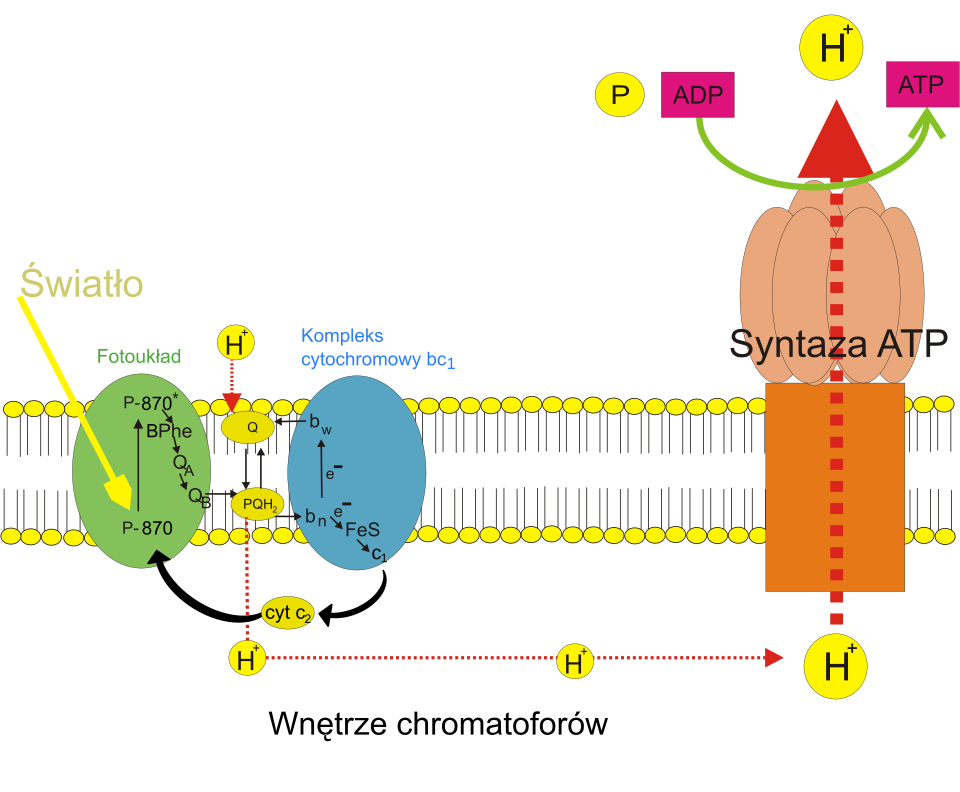
The technology is called biophotovoltaic, and it works by using living organisms in place of traditional solar panels. Purple bacteria, which contain light-absorbing pigments, are placed in a system that captures the electrons released during their biological processes. Those electrons can then be channeled into an electrical circuit.
Indonesia's interest in the technology is tied to its broader push to develop renewable energy sources that can be produced and maintained at low cost. Purple bacteria are relatively simple to cultivate and do not require the rare or expensive materials used in conventional photovoltaic panels. Researchers believe the organisms could eventually be used in small-scale or remote power applications.
Biophotovoltaic technology is still in early stages globally, and the Indonesian project represents one of a growing number of national efforts to explore biological alternatives to silicon-based solar energy. The bacteria can function in low-light conditions and can use both sunlight and artificial light to generate a charge.
The research team is working to improve the efficiency of the system, which currently produces far less power per unit area than a standard solar panel. Scaling the technology and increasing output remain the central challenges before any commercial application becomes realistic.