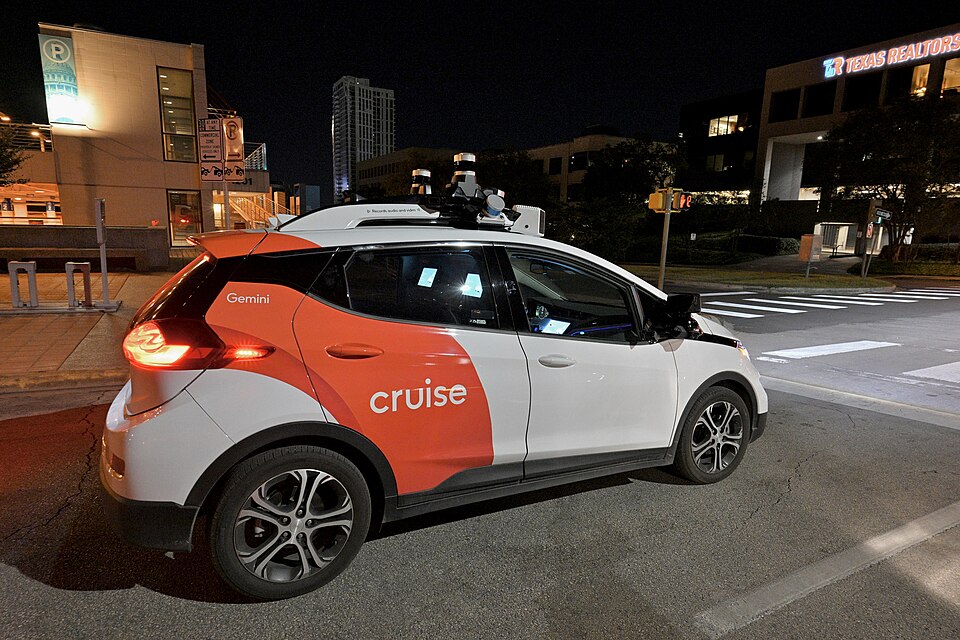
Texas has tightened its rules on robotaxis following a series of incidents in which autonomous vehicles interfered with emergency response operations, according to a report by EMS1.
The new legislation places restrictions on where and how driverless vehicles can operate, with a focus on situations involving fire trucks, ambulances, and police. The incidents that prompted the rules had drawn complaints from first responders across the state, who reported that autonomous vehicles had blocked emergency scenes, refused to yield, or could not be moved by personnel on the ground.
Texas had previously been one of the more permissive states for autonomous vehicle testing and commercial deployment. Companies including Waymo and others had been expanding robotaxi services in cities like Austin. The new rules reflect a shift in how state lawmakers are weighing public safety against the push to grow the autonomous vehicle industry.
The legislation comes as other states are also wrestling with how to regulate driverless vehicles in real-world conditions. Emergency responders have raised concerns nationally about the inability to communicate with or manually override autonomous vehicles during active incidents. In some cases, vehicles have stopped in the middle of intersections or driven into active emergency scenes.
Texas lawmakers moved forward with the restrictions after enough documented incidents accumulated to build a legislative case. The details of specific incidents were cited during the process leading to the laws. The rules now set clearer boundaries for robotaxi operators and give emergency personnel more defined authority when autonomous vehicles are involved in or near emergency situations.