

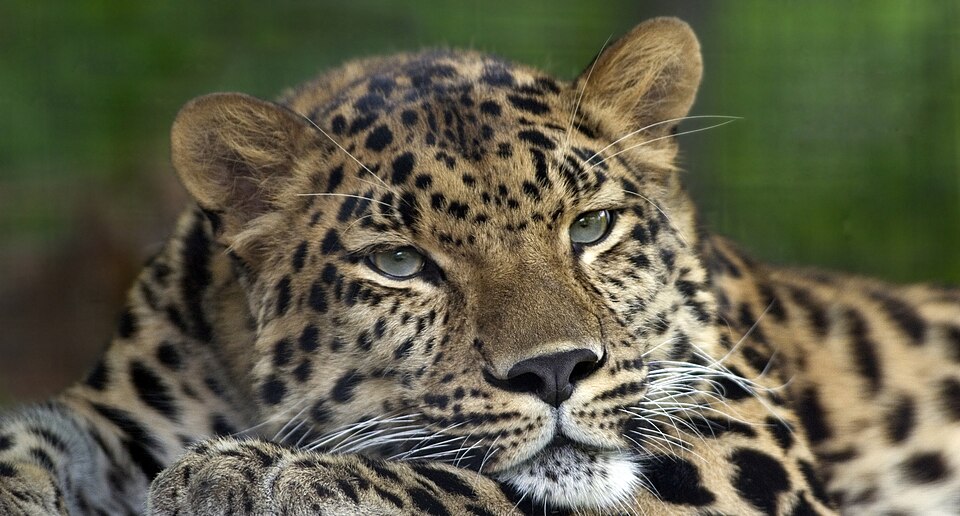
There may be fewer leopards living across sub-Saharan Africa than scientists previously believed, and hunting quotas in many countries may be making the problem worse.
A new study led by conservation scientists at Nottingham Trent University used habitat data and human pressure indicators to build a model predicting current leopard numbers and future potential. The results, published in the Journal of Applied Ecology, put the likely population between 45,000 and 143,000 animals, below earlier estimates.
The researchers also found that Africa could support up to 176,000 leopards within their historical range if the right conservation steps were taken. But they caution that their figures are not the same as a direct population count. Much of the underlying data comes from protected areas, which tend to have healthier ecosystems than the farmland and settled areas where many leopards also live.
Leopards have disappeared from more than 41% of areas where they once lived. The study identified habitat loss, lack of prey and trophy hunting as key drivers of that decline. Animals were less common in areas with high livestock numbers, nearby human settlements and land dominated by agriculture. They were more common where populations of ungulates such as deer and wild pigs were healthy.
Trophy hunting emerged as a particular concern. Current international hunting quotas exceeded what the study considers sustainable in more than half of the countries assessed. Only a small fraction of adult male leopards, estimated at between 2,800 and 8,700 animals, live outside protected areas in countries where trophy hunting is permitted. The researchers called for an urgent review and revision of quotas in several countries.
"A lack of reliable numbers makes it hard for governments and conservation organizations to plan effective protection and recovery efforts," said Dr. Antonio Uzal, associate professor of conservation biology in Nottingham Trent University's School of Animal, Rural and Environmental Sciences.
The model is designed to help direct conservation resources where they will have the most effect, identifying where habitat protection, prey recovery or reduced conflict with people could deliver the greatest gains.