Inside a limestone cave on Turkey's Mediterranean coast, two different human species left behind nearly identical records of their lives, separated by thousands of years but connected by shared habits.
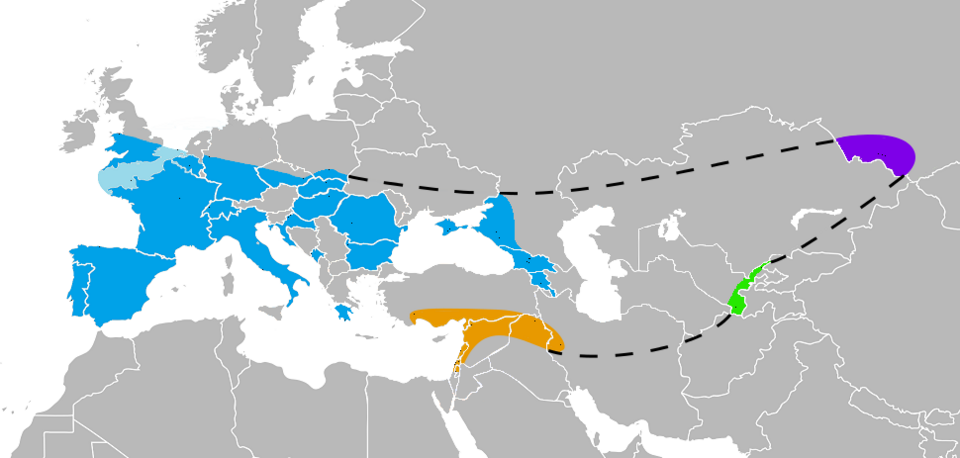
The findings were published Monday, July 6, in the journal PNAS. They come from Üçağızlı II Cave, a site on a stretch of coastline just north of Syria that once served as a prehistoric corridor between the Levant and Eurasia. The research adds to a growing picture of Neanderthals and Homo sapiens as far more culturally similar than scientists once assumed.
The team identified the species present by analyzing the internal structure of fossilized teeth, which can distinguish between Neanderthals and H. sapiens even without more complete skeletal remains. They dated the sediment layers using optically stimulated luminescence, a technique that measures how long ago buried mineral grains were last exposed to sunlight.
Their results showed that Neanderthals occupied the cave from roughly 77,000 to 59,000 years ago. H. sapiens moved in after, staying from about 59,000 to 47,000 years ago. Despite living there at different times, both groups left behind strikingly similar evidence.
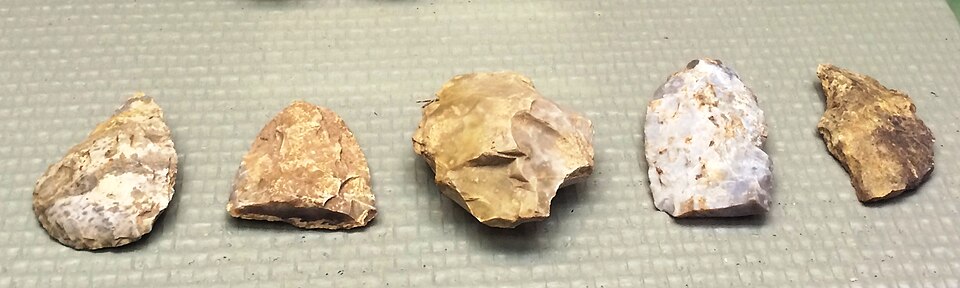
Both species hunted the same animals: wild goats, fallow deer, roe deer and wild boar. Both made stone tools using flint gathered from the same local sources. And across multiple layers, archaeologists recovered 29 shells of a small marine snail, Columbella rustica, that appeared to have been brought into the cave not for food but as ornaments. Some were pierced as if meant to be strung. One shell from the Neanderthal occupation layer showed signs of deliberate heating that changed its color.
The layers from both occupation periods showed, according to the researchers, "substantially uniform hunting-gathering strategies and lithic technology."
"Our findings indicate a deep level of cultural interaction," said study co-author Naoki Morimoto, a paleoanthropologist at Kyoto University.
The site's location along a known prehistoric migration route makes it a strong candidate for understanding how information and culture moved between species. The two groups did not appear to overlap at this particular cave, yet they left behind nearly the same toolkit and the same symbolic objects. Researchers say that pattern points toward the possibility that cultural knowledge was transmitted between the two species, whether through direct contact at other locations or through some other mechanism not yet identified.
The question of how similar Neanderthals and H. sapiens really were has driven debate in human evolution research for decades. The new evidence from Turkey adds to a series of archaeological finds from the Middle East suggesting the two species behaved far more alike than the older literature acknowledged.