During the Cambrian Period, more than 500 million years ago, empty mollusk shells sat on the seafloor completely uninhabited. That was not because animals capable of living in sheltered cavities did not exist. They did. They simply were not using shells as homes yet.
According to a report by Phys.org, an international study led by researchers from the University of Tartu found that marine animals first colonized the interiors of empty mollusk shells approximately 470 million years ago, during the Middle Ordovician Period. The finding identifies a specific moment when a new ecological niche opened up in the world's oceans and animals moved in to fill it.
The research team, which included Olev Vinn, Oive Tinn, Liisa Lang and Mare Isakar from the University of Tartu, analyzed fossils from different parts of the world. Their results were published in the journal Scientific Reports.
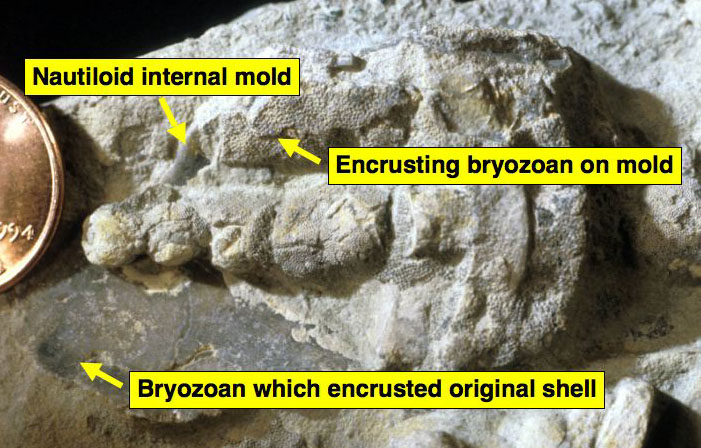
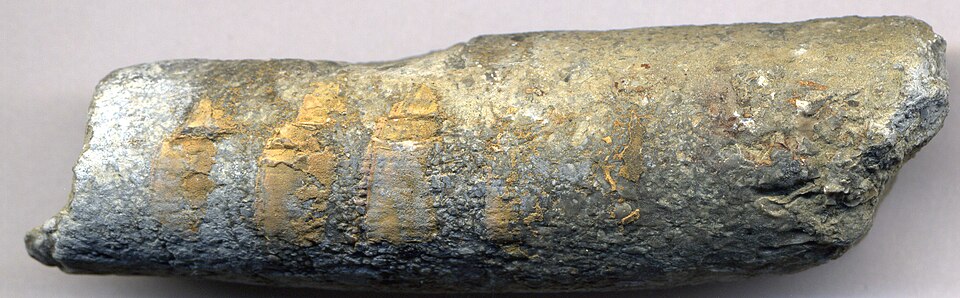
The first shells to be colonized were those of cephalopods, specifically nautiloids, which were large and spacious. Later, the same small animals spread into the interiors of snails and clams. By the Late Ordovician, roughly 450 million years ago, the interiors of many shells were already densely covered with attached fauna.
The animals that moved in were filter feeders, organisms that captured food particles floating in the water. They included bryozoans, brachiopods, sponges, graptolites and cornulids, which built tube-shaped shells of their own inside their hosts.
Not all shells offered the same living conditions. The study found that shell shape had a direct effect on how large animals grew and how many could survive inside. Nautiloid shells had wide openings and spacious chambers that allowed water to circulate freely, delivering oxygen and food while carrying away waste. Those shells produced the most diverse fossil communities.
Snail shells with narrow, coiled openings allowed much less water exchange. The animals inside tended to be smaller, and some groups that required a stronger water current were absent entirely.
The timing of this development was not random. It coincided with a broader explosion of marine biodiversity during the Ordovician Period, a time when the number of species in the oceans increased rapidly and more organisms began attaching themselves to hard skeletal surfaces. The emergence of shell interiors as habitat appears to have been part of that larger transformation, one step in the development of marine ecosystems that more closely resemble what exists in the ocean today.
In modern seas, empty mollusk shells are claimed almost immediately after their original occupants die. The new study traces that behavior back nearly half a billion years, to the moment it first began.