Three nights of relative calm have settled over the U.S.-Iran conflict after nearly two weeks of intense strikes and counterattacks, 150 days into a war that has drawn in multiple regional actors and disrupted global shipping lanes.
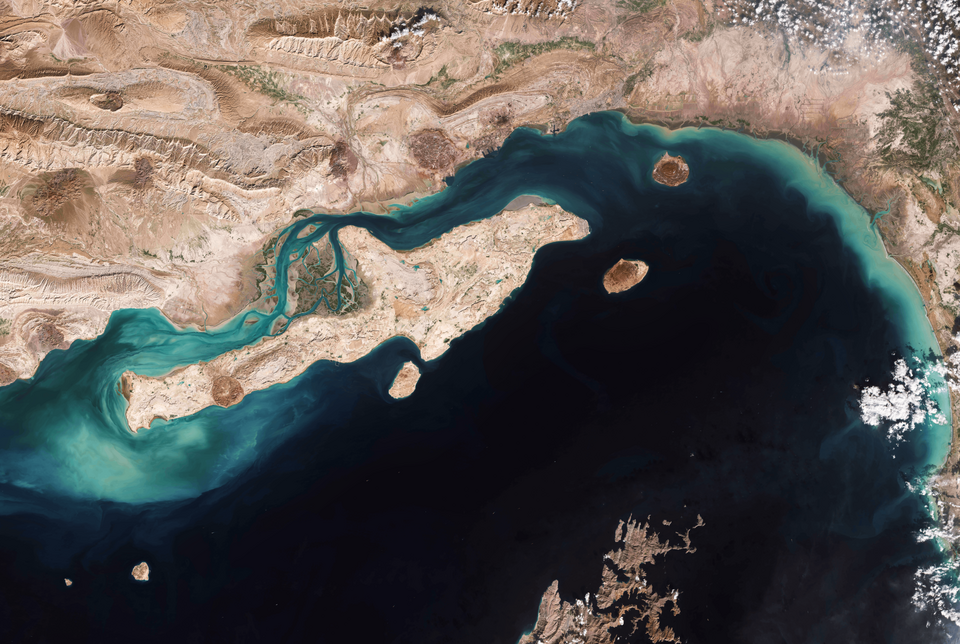
Iran confirmed it halted attacks at the same time as the U.S. did, but its Foreign Ministry Spokesman Esmaeil Baghaei said that the U.S. and Iran are exchanging messages through mediators and that Iran has not requested talks or engaged in direct negotiations with the U.S. Iran did acknowledge ongoing talks with Oman aimed at establishing what it called "mechanisms regarding maritime traffic" in the Strait of Hormuz, which Iran insists it still controls.
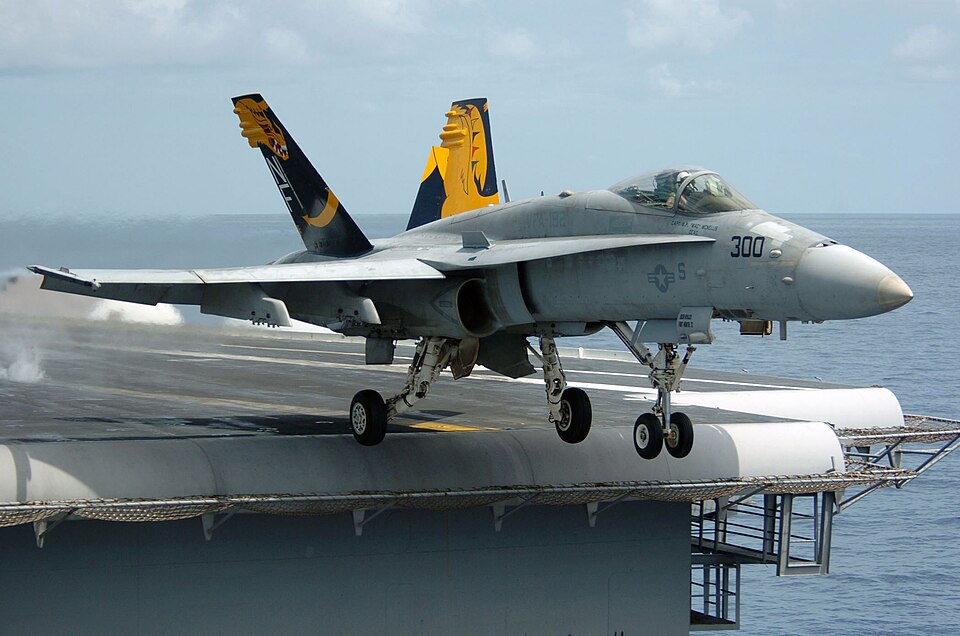
U.S. Ambassador to the United Nations Mike Waltz appeared on CBS News' Face the Nation with Margaret Brennan and described the pause as "giving diplomacy some space," but stressed that more U.S. military assets are still "moving into the region."
Iranian state TV claimed the regime fired "warning shots" at six ships trying to use a U.S.-designated route through the Strait of Hormuz, forcing them to turn back, according to CBS News.
The conflict has expanded beyond its original scope. Yemen's Iran-backed Houthi rebels recently shut down the Bab el Mandeb Strait, a crucial shipping lane in the Red Sea. NPR reported that the closure caused oil prices to hit a two-month high. Iran has insisted that achieving a real ceasefire with the U.S. depends on reaching a ceasefire in Lebanon, where Israel is fighting Iran-backed Hezbollah militants. Israel has committed to withdrawing from some test areas, but the process is moving slowly.
In Lebanon, President Joseph Aoun met Monday with United Nations High Commissioner for Human Rights Volker Turk. Aoun said that "Israel's continued destruction of homes and bulldozing of villages in southern Lebanon constitutes a direct violation of human rights and a clear breach of international laws and norms." He also said that "Israel has also targeted religious and heritage sites, demonstrating premeditated intentions against both people and property, especially since such sites are not military targets and do not host armed groups."
Turk said the U.N. human rights office was monitoring developments in Lebanon, particularly Israeli attacks since March 2, in order to prepare a detailed report on violations affecting human rights.
Meanwhile, Saudi air defenses intercepted several drones launched from Iraq on Monday that were targeting petroleum facilities. Major General Turki Al-Maliki, the spokesperson for Saudi Arabia's Ministry of Defense, said the "terrorist attempts were launched from Iraqi territory and carried out by terrorist militias affiliated with Iran," and stressed the kingdom's right to "respond at the appropriate time and place." Iran has not launched drone or missile strikes on Saudi Arabia or other Persian Gulf states since U.S. forces paused their attacks on Iran on Saturday.