Adding more parks to a city will not reliably reduce extreme heat unless the design of the surrounding neighborhood supports it. That is the finding of new research from Victoria University in Melbourne, Australia, published in the journal Energy and Buildings.
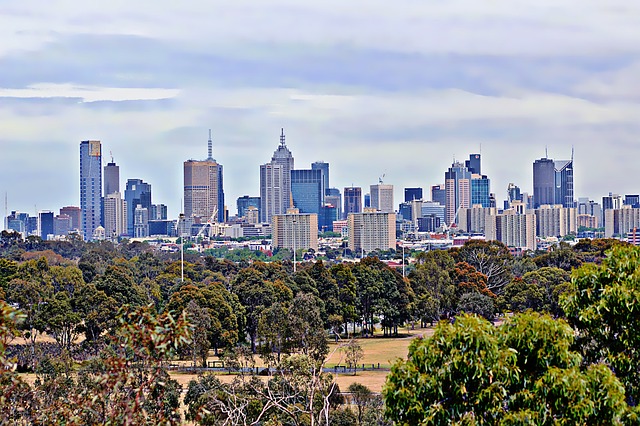
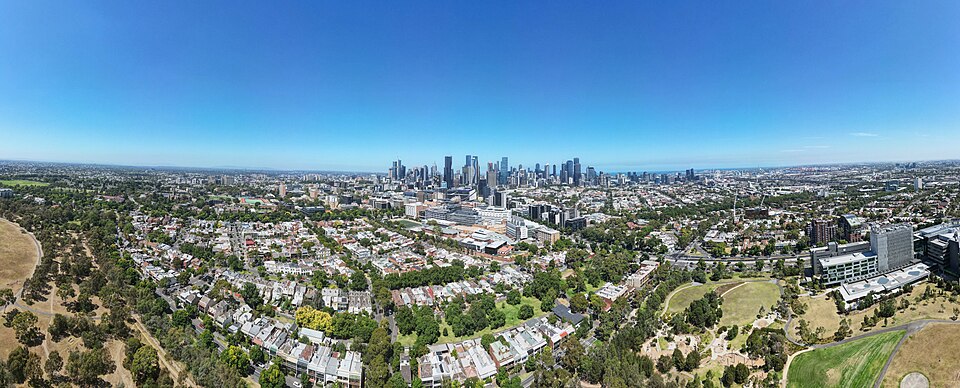
The study examined Central Gardens in Hawthorn, a suburb of Melbourne, during a 42 degrees Celsius heat event. Researchers looked at how the structures surrounding the park shaped its ability to cool the local environment, and found the effects varied considerably between day and night.
As Phys.org reported, the research was led by Ph.D. candidate Maryam Norouzi and Associate Professor Elmira Jamei. Their work confirmed that parks do provide real cooling benefits during extreme heat, but found that the size and reach of those benefits depend strongly on what is built around the park.
Daytime cooling reduces heat exposure when solar radiation and air temperatures peak. But nighttime cooling matters too, because it allows heat stored in buildings and pavement during the day to escape before temperatures rise again the next morning.
The study found that city parks and suburban parks need completely different design approaches to maximize their cooling effect.
"The message to urban planners is clear: you can't just say 'add more parks' as a blanket heat solution. A park in a dense city center needs a completely different design strategy than a park in the suburbs. In cities, you want to protect daytime shading but improve nighttime airflow. In the suburbs, you want to keep the park connected to the street network so the cool air can flow out and help the whole neighborhood, not just the park itself," Jamei said.
In low-rise urban areas, the research showed that cooling benefits from parks can spread further into nearby neighborhoods. The researchers recommend keeping ventilation pathways open between parks and adjacent streets, avoiding dense development right at park edges, and linking parks to connected green networks such as street-tree corridors and residential gardens.
Norouzi said the broader takeaway is that parks and the neighborhoods around them need to be planned together, not separately.
"The relationship between urban parks and the surrounding built environment strongly influences how effectively parks cool cities during extreme heat. This means that improving urban resilience is not simply about creating greener spaces but about designing parks and the surrounding neighborhoods to work together as an integrated system," Norouzi said.
Heat waves are among the deadliest natural hazards in Australia and other parts of the world. Unlike floods or fires, they often arrive without dramatic visual warning signs and can persist for multiple consecutive days, compounding their health effects.
The findings are relevant to city planners in any urban area facing rising temperatures, and they suggest that poorly placed or poorly designed parks could, in some cases, fail to deliver the cooling benefits residents and planners expect.