The University of Glasgow's Small Animal Hospital has become the first in the United Kingdom to use a treatment called Hymenoptera Venom Immunotherapy, or VIT, on dogs suffering from severe allergic reactions to bee and wasp stings. According to Phys.org, the hospital has now successfully treated a number of patients, making it one of only a few specialist centers in the world able to deliver this type of disease-modifying care.
Insect venom allergy is considered one of the most serious acute allergic conditions in dogs. Reactions can develop within minutes of a sting and, in severe cases, can progress from hives and vomiting to collapse, respiratory distress, and death. Nearly two-thirds of dogs that experience one severe reaction go on to experience the same or worse symptoms after being stung again.
The treatment was first developed for use in humans. It works by gradually introducing controlled, increasing doses of bee or wasp venom to the dog, training the immune system to tolerate future exposure. The process begins with a diagnostic phase that includes allergy testing, followed by a closely monitored induction period and long-term maintenance therapy that may continue for several years.
The program at Glasgow is led by Professor Ana Rostaher, described as a leading expert in veterinary VIT. Rostaher and colleagues have contributed to research showing high levels of protection from recurrent severe reactions in treated patients. Clinical experience from the university also suggests the treatment carries a favorable safety profile when delivered under specialist supervision.
"Venom immunotherapy represents a major advance in how we can manage severe insect sting allergies in dogs," Rostaher said. "For affected animals, a single sting can make them very ill and even cause death. However, this treatment offers a proactive way to change that risk profile and provides owners with an option for further peace of mind for those animals who are severely allergic to insect stings."
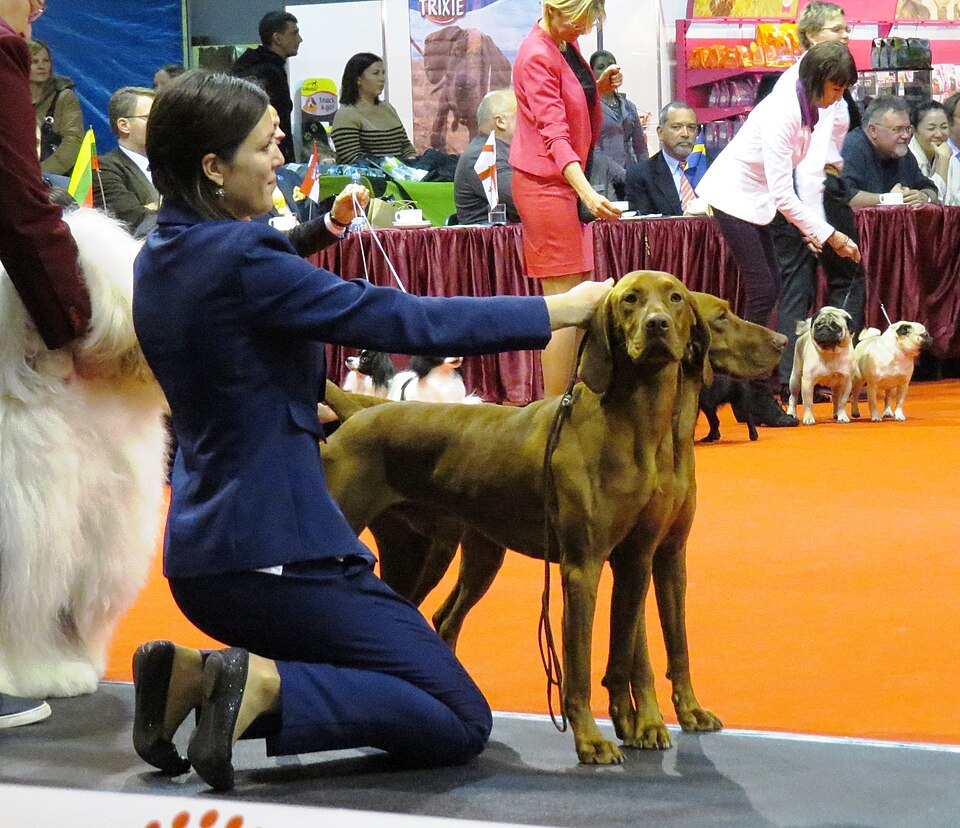
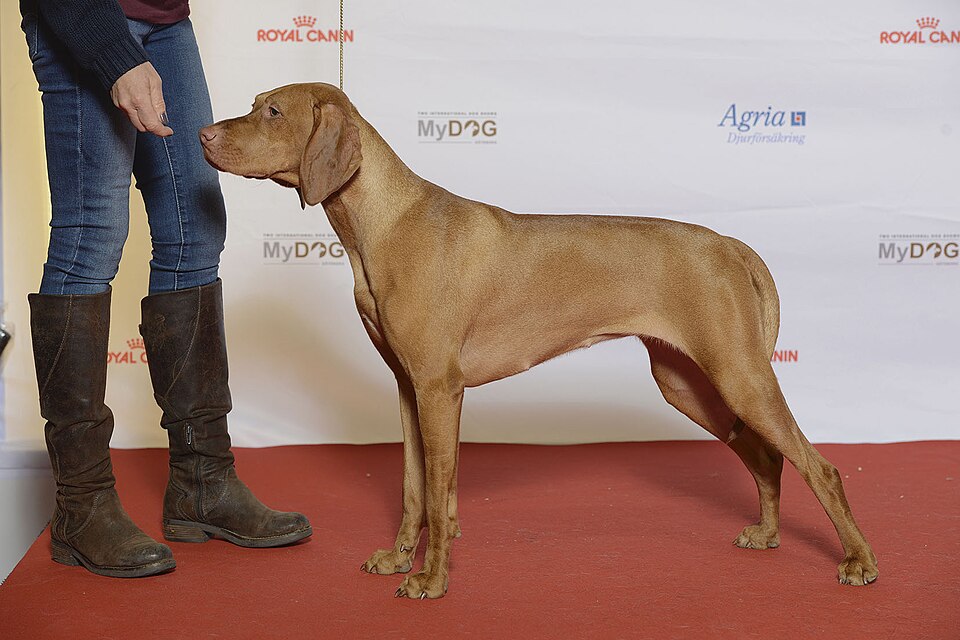
The first patient treated at Glasgow was a Vizsla named Amber, owned by Claire and Matthew Preece of Stratford-upon-Avon. Amber experienced a severe allergic reaction to a bee sting in July 2021 and became the first dog in the UK to undergo venom immunotherapy at the hospital. The owners described Amber becoming suddenly unwell after an unseen bee sting.
The Small Animal Hospital continues to monitor treated patients over the long term as the program develops. The treatment remains relatively new in veterinary medicine, and clinicians say the number of specialist centers capable of delivering it is still very small worldwide.