More than 2,000 people in China are thought to have undergone an experimental surgery for Alzheimer's disease before the country's health authorities stepped in. China's National Health Commission banned the procedure in June 2025, citing a lack of evidence on safety and effectiveness.
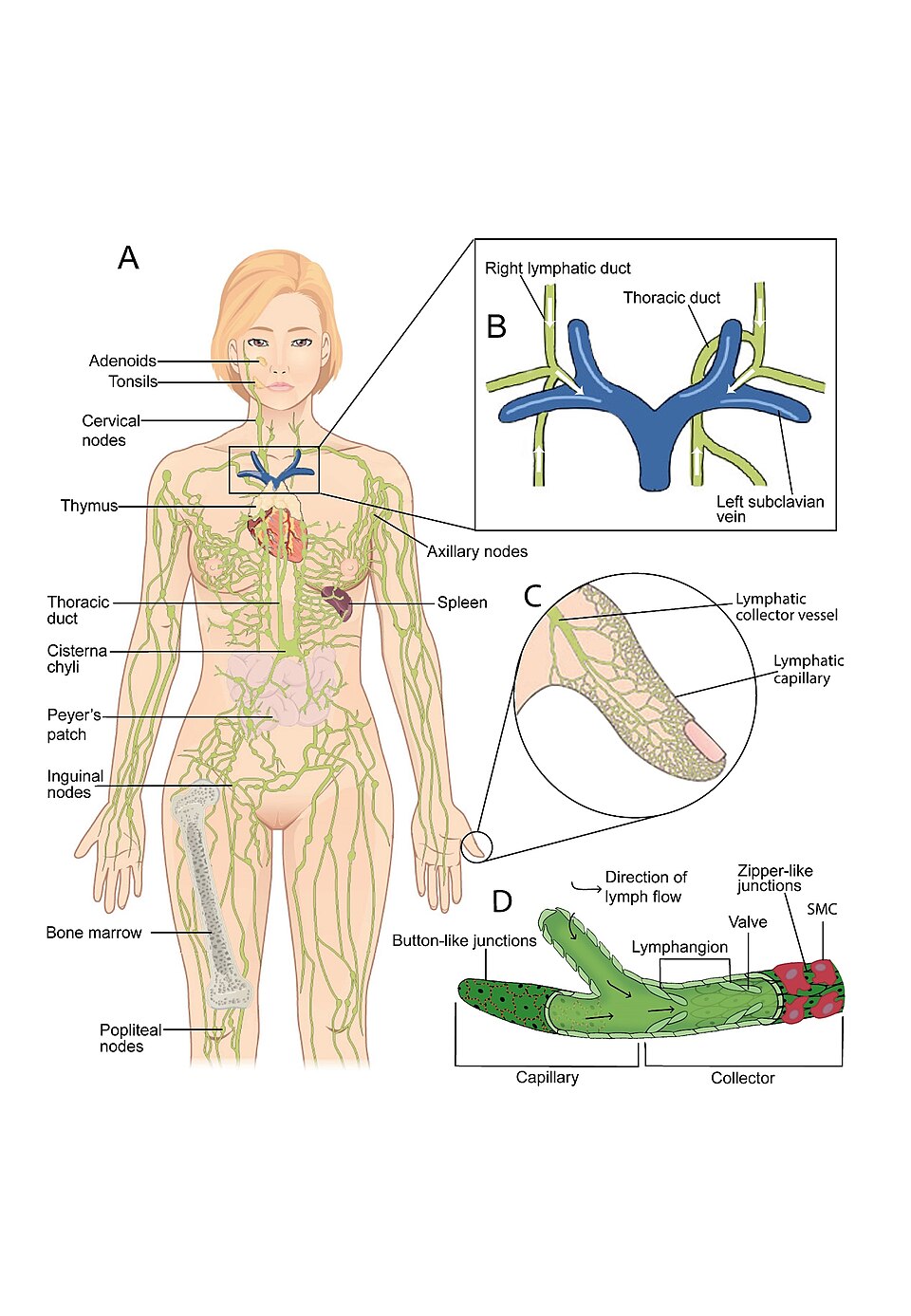
According to New Scientist, the surgery is called deep cervical lymphovenous anastomosis, or DCLVA. It works by surgically connecting the lymphatic system to nearby veins, with the goal of accelerating drainage of brain waste, including Alzheimer's-related proteins like beta-amyloid and tau.
The procedure was developed by Xie Qingping at Hangzhou Qiushi Hospital in China, based on a routine treatment for chronically swollen limbs. In 2024, Qingping and colleagues reported in the journal Plastic and Reconstructive Surgery that they had performed DCLVA on 50 people with Alzheimer's disease. They also released a video of a man with Alzheimer's who had been bedbound and was shown briskly walking eight months after the surgery.
The video spread widely in China. By May 2025, thousands of people were estimated to have had the procedure in around 300 private and public hospitals across the country. Reports suggest many of these surgeries were performed by plastic surgeons, with fees ranging from tens of thousands to several hundred thousand Chinese yuan.
Experts raised concerns almost immediately. "When I first heard of this treatment, I was shocked," said Steven Proulx at the University of Bern in Switzerland. "There is basically no evidence supporting this." Proulx also questioned the reliability of the viral video. "A video from one patient I would not find trustworthy," he said, adding that the researchers did not assess for other improvements, such as changes to the patient's brain-imaging scans.
Despite the ban in China, early safety data from small trials in the United States and Singapore, presented at the Alzheimer's Association International Conference in London earlier this month, suggest the approach appears safe for up to six months, with some signals of cognitive improvement.
An ongoing randomized trial is now comparing the surgery against a sham procedure. Some researchers have questioned the ethics of that trial design and how useful its results will be. Shiju Gu, who previously researched Alzheimer's disease at Harvard University, said it was appropriate for China to stop DCLVA from being offered for Alzheimer's disease outside of research settings.