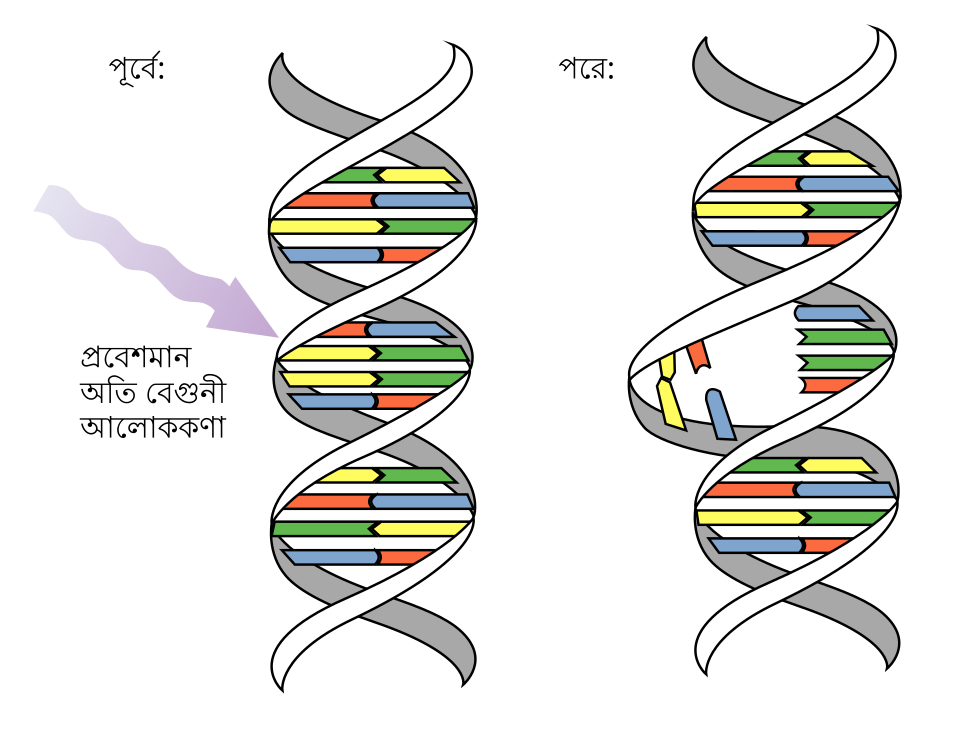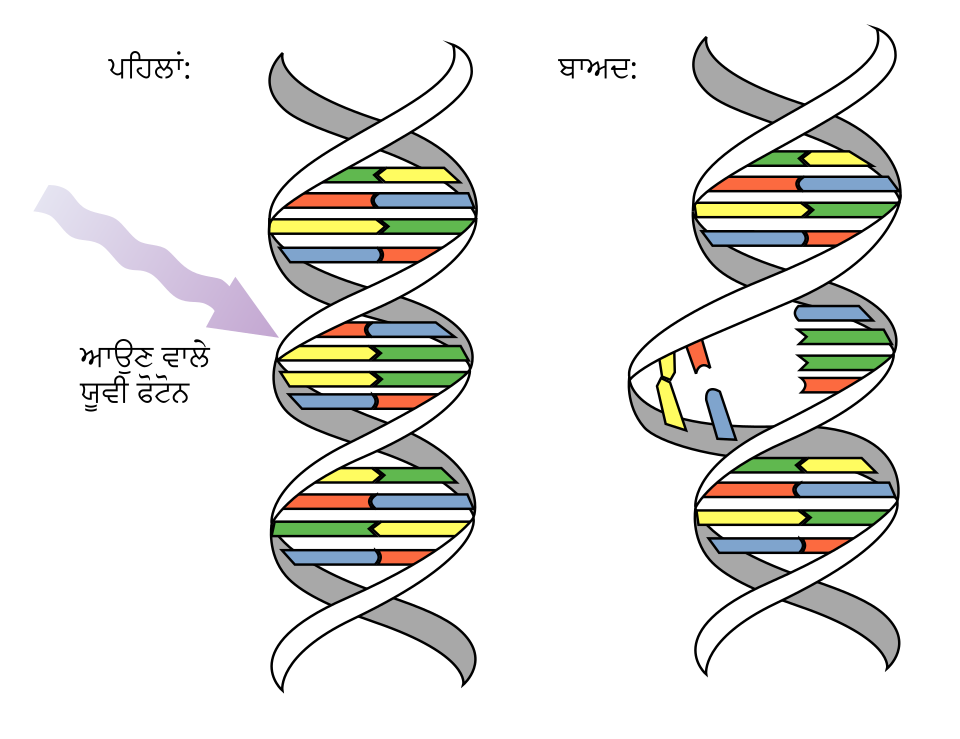
A new study suggests that even under the most favorable biological conditions, humans may not be able to live past 194 years. The research points to the steady buildup of DNA mutations as a key factor that could set a hard ceiling on how long a person can live, no matter what interventions are used.
Researchers based in Russia constructed a computational model designed to isolate one specific aging process: the accumulation of somatic mutations. Unlike inherited genetic mutations, somatic mutations occur after birth. Every time DNA is copied or damaged by normal cellular activity, small errors can appear. Most of these errors are harmless on their own, but over time they accumulate and may eventually impair how cells function or contribute to cancer.
To measure how much these mutations alone affect aging, the investigators built a modeling framework that added biological complexity in stages. They started with a hypothetical baseline in which aging itself does not exist, allowing only for risks such as accidents or infections. From there, they layered in the effects of somatic mutations building up over time. Under those idealized conditions, the investigators estimated a median life span of 146 to 194 years, roughly double the current life expectancy but well short of the predictions of some longevity enthusiasts.
According to Healthline, which reported on the study, the findings do not point to a single biological clock that controls how long a person lives. Instead, the research adds to a growing body of evidence that aging involves many overlapping processes working together.
R. Osvaldo Navia, MD, clinical director of the Tulane Center for Aging at Tulane University, was not involved in the research but offered his read of the findings. "The study supports the view that aging is a multifactorial process: no single hallmark of aging is likely to account for normal human aging on its own, and life span is instead shaped by multiple interacting biological mechanisms," he said.
James Powers, MD, a professor of geriatric medicine at Vanderbilt University, also was not involved in the study. He told Healthline that the research could contribute to "intriguing potential new approaches to promote longevity."
While the work remains theoretical, experts say it provides a useful framework for understanding which aspects of aging may ultimately prove impossible to reverse. The findings connect to wider public interest in longevity science, including interventions promoted by figures such as Bryan Johnson, who has publicly pursued extreme anti-aging regimens, and discussions around peptides recently cleared by the Food and Drug Administration.
For now, researchers say the strongest evidence for living longer and healthier still comes from well-established habits: regular exercise, quality sleep, and a consistent healthy diet. The computational model offers a window into the biology of aging, but it does not change what currently works in practice.