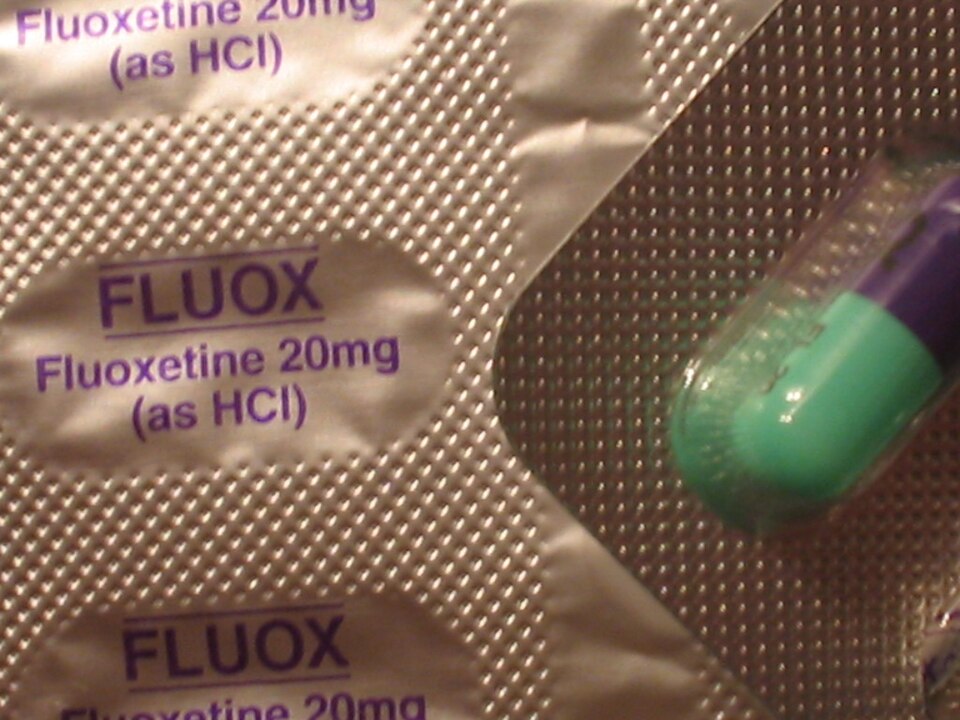
A common antidepressant medication may do more than treat depression when given after a traumatic injury. According to Medical Xpress, fluoxetine treatment following traumatic injury has been linked to fewer PTSD symptoms and lower levels of reported pain in patients studied.
Fluoxetine, sold under the brand name Prozac, belongs to a class of drugs called selective serotonin reuptake inhibitors, or SSRIs. It has been prescribed for decades to treat depression, anxiety, and obsessive-compulsive disorder. Its potential role in post-injury trauma care represents a different application of a well-established drug.
The research looked at patients who had experienced traumatic injuries, a broad category that can include car accidents, falls, assaults, and other sudden physical events. Traumatic injuries frequently lead not only to physical damage but also to psychological consequences. PTSD is a recognized risk following serious trauma, and it often coexists with chronic pain.
The connection between PTSD and pain is well documented in medical literature. Both conditions involve overlapping neurological pathways, and patients who develop PTSD after an injury tend to report more persistent and intense pain than those who do not. Treating one condition can sometimes influence the other.
The findings suggest that introducing fluoxetine early in the recovery process, rather than waiting for PTSD to fully develop, could be a useful intervention. Patients in the study who received fluoxetine showed measurable differences in both psychological and physical outcomes compared to those who did not receive the medication.
Researchers noted that the link found in this study does not by itself prove that fluoxetine caused the improvements. Other factors could have contributed to the differences observed between patient groups. Further controlled research would be needed to establish a direct causal relationship.
Still, the results add to a growing body of work exploring whether medications already in clinical use could be applied in new ways to address the combined mental and physical toll of traumatic injury. Clinicians treating trauma patients often face the challenge of managing both dimensions of recovery at the same time, and an existing, widely available drug that addresses both would be a practical advantage.