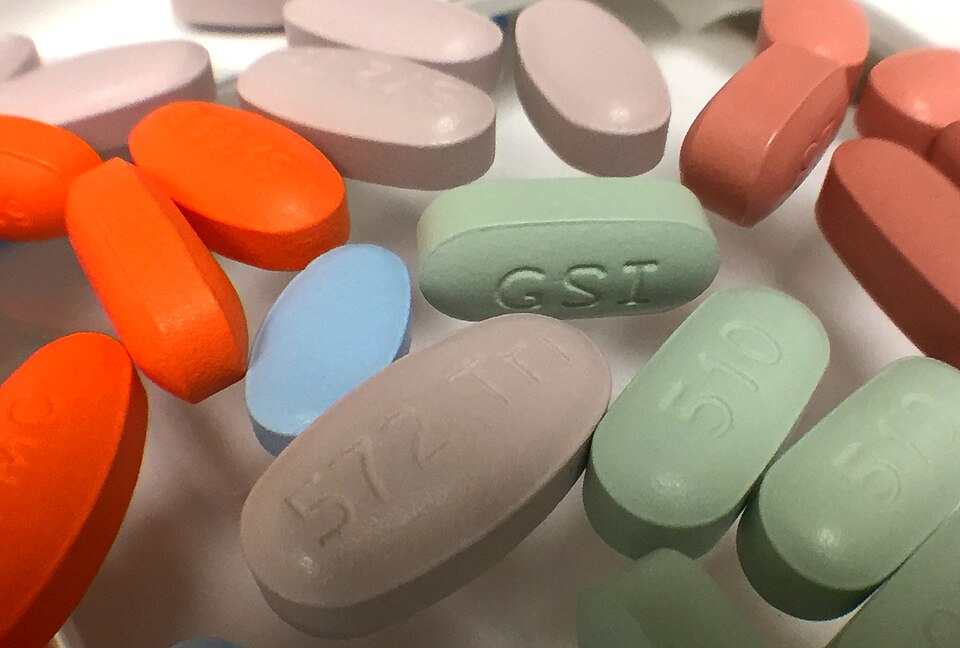
A single pill taken once a week could change how HIV is treated around the world. According to U.S. News and World Report, researchers have been developing a weekly oral HIV treatment that may replace the daily medications patients currently depend on to keep the virus suppressed.
Most people living with HIV today take antiretroviral therapy every day. Missing doses can allow the virus to replicate and can lead to drug resistance. A once-weekly option would reduce that burden significantly, particularly for patients who struggle with daily medication routines.
The development comes as HIV treatment has already undergone major changes over the past two decades. Early regimens required patients to take dozens of pills daily. Over time, those were reduced to single daily combination pills. A weekly pill would represent the next step in that progression.
Researchers working on the weekly formulation have focused on extending how long the drug remains active in the body. Standard HIV medications clear the system relatively quickly, which is why they need to be taken every day. The new approach involves compounds designed to stay at therapeutic levels for a full seven days.
Clinical trials have been underway to test whether the weekly pill maintains viral suppression at the same level as daily treatment. Viral suppression, meaning keeping the HIV virus at undetectable levels in the blood, is the primary goal of antiretroviral therapy. Patients who achieve and maintain undetectable levels cannot transmit the virus to sexual partners.
The convenience factor matters beyond individual patients. In lower-income countries where HIV rates remain high, daily pill regimens place ongoing demands on supply chains, healthcare infrastructure, and patient follow-through. A weekly pill could ease some of those pressures.
No drug has reached full regulatory approval yet for weekly oral HIV treatment as of this reporting, but the research has drawn significant attention from the HIV treatment community.