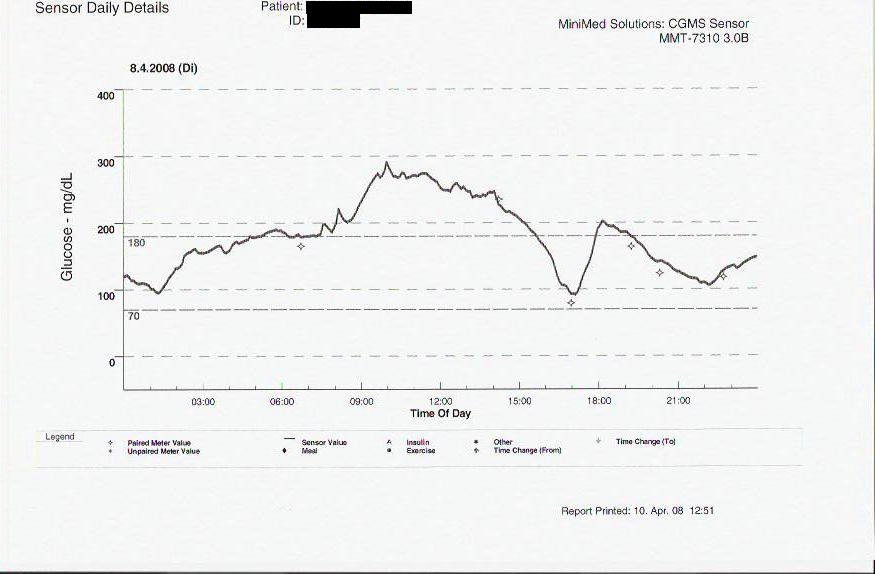
A research initiative in Switzerland is using artificial intelligence and wearable sensor technology to try to catch diabetes before it develops, according to a report by News-Medical. The project, described as a flagship effort, pulls together data from sensors worn by participants and runs that information through AI systems designed to detect early warning signs of the disease.
Type 2 diabetes affects hundreds of millions of people worldwide and often goes undetected for years. By the time many patients receive a diagnosis, significant damage to the body may already have occurred. The Swiss project is aimed at closing that gap by identifying people in a pre-diabetic or at-risk state much earlier than standard clinical screening allows.
The project uses continuous monitoring through sensors that can track physiological data over time. That data is then analyzed by AI models trained to recognize patterns associated with elevated diabetes risk. The combination of real-time sensor input and machine learning represents a departure from traditional screening, which typically relies on periodic blood tests taken in a clinical setting.
Researchers involved in the project believe that catching metabolic changes early gives patients and clinicians more time to intervene with lifestyle adjustments or other measures before the condition progresses. Diet, physical activity, and weight management are among the most effective tools for slowing or preventing the onset of type 2 diabetes, and early identification of risk could make those interventions more targeted and timely.
The Swiss initiative is part of a broader global trend toward using digital health tools for disease prevention rather than treatment alone. Wearable devices that monitor blood glucose, heart rate, and other markers have become more affordable and accurate in recent years, making large-scale studies like this one more feasible. AI systems, trained on large health datasets, are increasingly being applied to find signals in that data that human clinicians might miss or encounter too late.
The project has not yet published final clinical outcomes, but its structure places it among a growing number of European research programs investing heavily in preventive medicine through technology. Switzerland has made digital health a national research priority, and this initiative draws on cross-disciplinary collaboration between engineers, data scientists, and medical professionals.
The timeline for broader clinical application of the project's findings has not been announced.