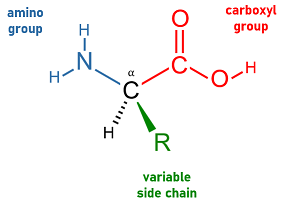
Eating less protein, particularly certain amino acids, may support healthier aging and a longer life, according to new research reviewed by Healthline. The findings come from a review published July 31 that examined both animal studies and short-term human clinical trials.
The review found that moderate protein restriction, and specifically limiting the amino acids methionine, isoleucine, and valine, extended lifespan in rodent studies. In one set of findings, higher levels of a hormone called FGF21, which protein restriction can raise, were associated with longer life in mice. Female mice lived about 40% longer and males about 30% longer when FGF21 levels were elevated.
"It's absolutely crystal clear that there are benefits of protein to muscle growth and exercise response of active individuals," said Dudley Lamming, PhD, one of the review's authors, in a press release. "But because most people are relatively sedentary, many people are likely consuming more protein than they actually need, which probably has negative health consequences."
The review also found that protein restriction may trigger changes in nutrient-sensing pathways, specifically mTORC2 and GCN2, that promote autophagy. Autophagy is the body's process of removing damaged cellular components and replacing them with healthier ones. Protein restriction may also improve mitochondrial function, reduce oxidative stress, enhance energy production, and help preserve what researchers described as youthful gene expression.
In short-term human trials, protein restriction was linked to improved blood sugar levels and reduced fat mass. However, researchers found no direct evidence yet that it extends human lifespan.
The findings drew a surprised response from at least one physician. "I found the results of this study surprising. Currently, [the] most effective diets emphasize protein while reducing carbohydrates and sugars," said Mir Ali, MD, medical director of MemorialCare Surgical Weight Loss Center at Orange Coast Medical Center in Fountain Valley, CA.
Current Dietary Guidelines for Americans recommend consuming 1.2 to 1.6 grams of protein per kilogram of body weight daily for adults, which is up to twice the minimum recommended amount. The review's authors noted that protein needs vary by age, activity level, and overall health, and that cutting protein may not be appropriate for everyone. The overall conclusion was that there is no single correct approach to protein intake that applies to all people.