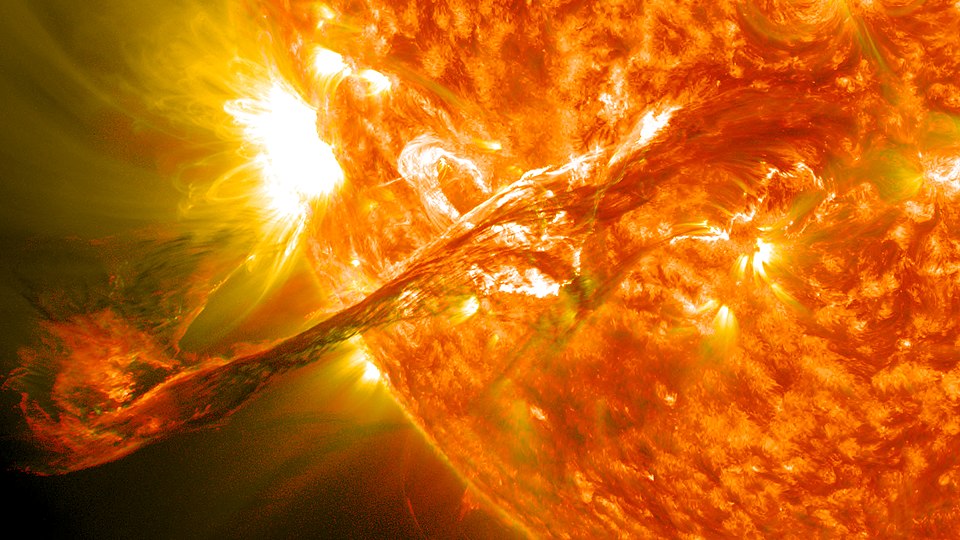
Scientists have released the highest-resolution image ever taken of the Sun's surface, and it is showing them something they had not been able to directly observe before.
According to Physics World, the image was captured using the NSF Inouye Solar Telescope and reveals what researchers are calling a major discovery: direct evidence of Kelvin-Helmholtz instabilities on the Sun. These instabilities occur when two fluids or gases moving at different speeds interact at a boundary, creating a mixing effect. On the Sun, they appear to play a role in driving plasma mixing across the solar surface.
The findings were published in the journal Nature. NASA described the development as uncovering a hidden solar process, and the National Solar Observatory called it a major step forward in understanding how the Sun operates at a physical level.
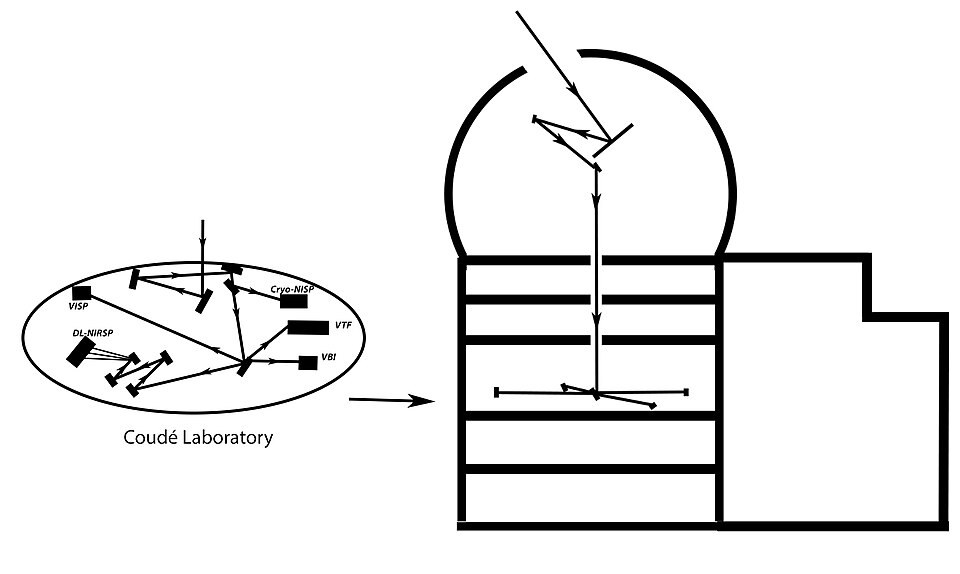
The Inouye Solar Telescope, located in Hawaii, has been producing increasingly detailed views of the Sun since coming online. This latest image pushes the resolution further than any previous instrument has achieved, allowing researchers to observe fine-scale dynamics in the solar plasma that were previously invisible.
CBS News described the images as the most detailed ever taken of the Sun's surface and quoted scientists calling the result a "Major step forward." The instabilities captured in the image had been theorized to exist on the Sun but had not been directly imaged until now.
The discovery adds to a growing body of work from the Inouye telescope, which scientists expect will continue producing new findings as researchers analyze its data. NASA published its own summary of the findings on August 6, 2026.