Frequent cannabis users may start the day with higher levels of the stress hormone cortisol than people who do not use it, according to new research from Oregon State University. The study was published in the journal Cannabis.
Cortisol is produced by the adrenal glands and plays several key roles in the body. It helps fight infection, maintain blood pressure, and regulate blood sugar and metabolism. The body typically releases it in response to stress, but it also follows a natural daily rhythm. The OSU researchers found that rhythm may be disrupted in frequent cannabis users.
The finding matters because stress is one of the most commonly reported reasons people turn to cannabis. It is also associated with problematic patterns of use. While cannabis may provide short-term relief, the researchers say that regular use over time could interfere with the biological systems that regulate the body's stress response.
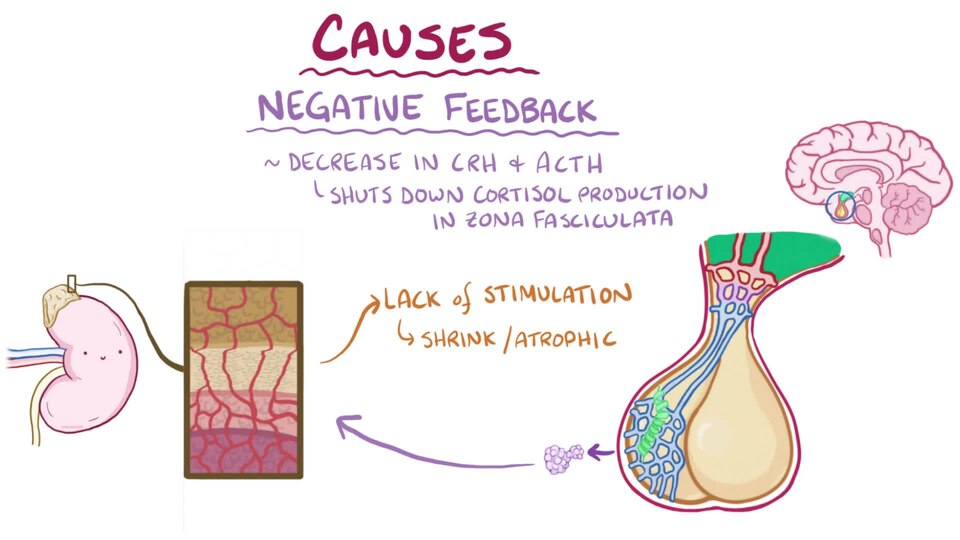
The study was led by Anita Cservenka of the OSU College of Liberal Arts. It is among a relatively small number of studies to examine how frequent cannabis use relates to the hypothalamic pituitary adrenal axis, the major neuroendocrine system that coordinates the body's response to stress.
The research comes as cannabis use has climbed sharply among young adults in the United States. Twenty-nine percent of adults ages 19 to 30 reported using cannabis in the previous 30 days, a rate that has nearly doubled over the past 15 years. More than 10 percent of that age group reported using cannabis at least 20 times within a 30-day period, a figure that is more than twice what it was 15 years ago.
Cservenka was careful to note the study's limits. The findings do not prove that frequent cannabis use causes higher cortisol levels upon waking. They also do not show that elevated morning cortisol drives people to use cannabis more often.
"We would need to study the same groups of people over a longer period of time to understand any cause-and-effect relationship, but we think this provides an important starting point," she said.
Cortisol levels that stay elevated over long periods have been linked to a range of negative health outcomes. The normal cortisol rhythm typically involves a spike shortly after waking, followed by a gradual decline through the day. Disruptions to that pattern have been associated with chronic stress, sleep problems, and metabolic changes.
The researchers said the findings add to a growing body of work suggesting that the relationship between cannabis and stress is more complicated than users may expect. Whether people who use cannabis heavily are starting with higher baseline cortisol, or whether cannabis use is pushing cortisol upward, remains an open question. Cservenka's team identified it as a priority for future research.