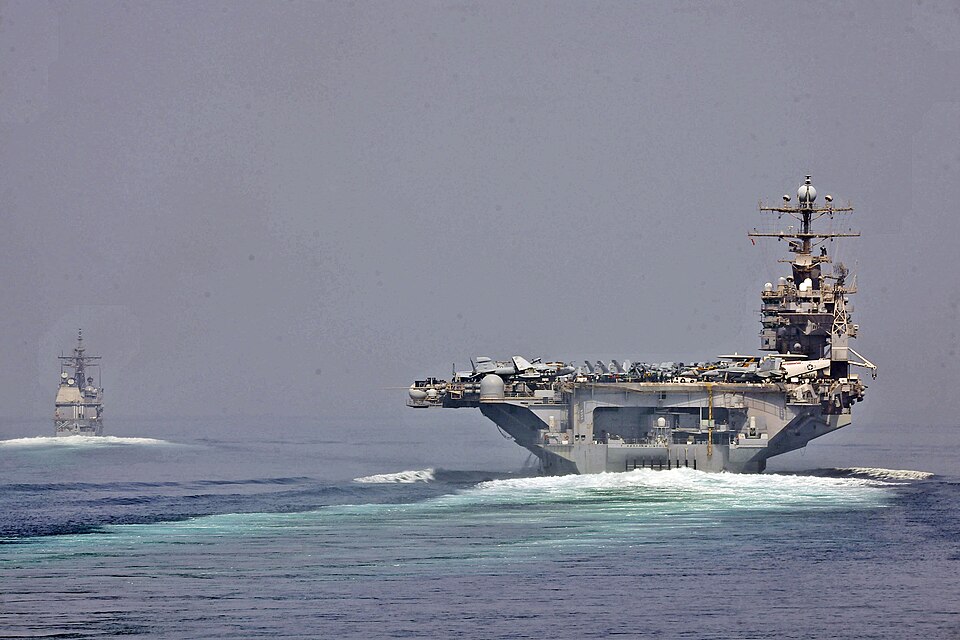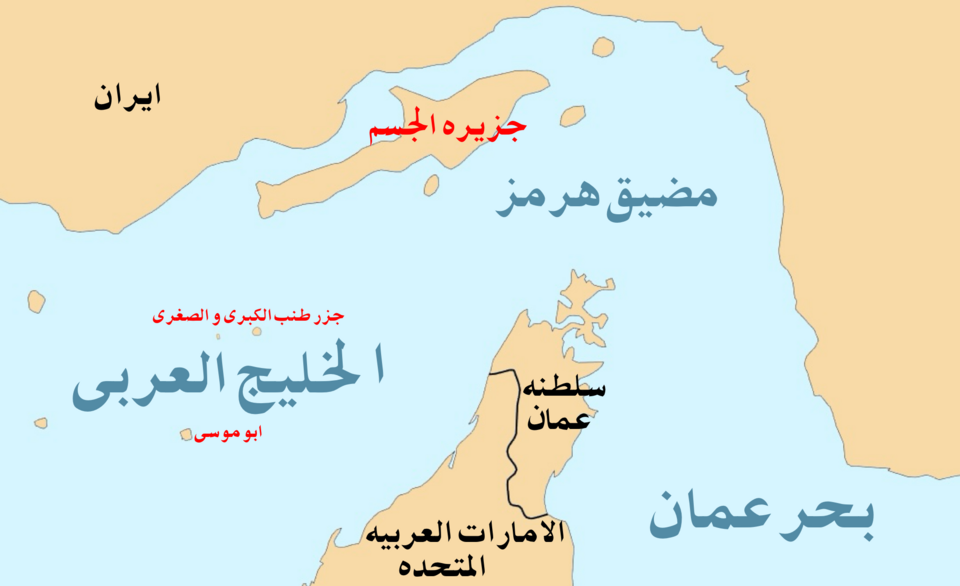
Shipping through the Strait of Hormuz has collapsed to near zero as a 60-day U.S.-Iran ceasefire expired Monday with no deal in place. Only three ships passed through the critical oil passage on Sunday, according to data from Kpler. The five-day average for transits stands at 12. Before the war started on Feb. 28, around 130 vessels crossed Hormuz daily.
President Donald Trump escalated the standoff Monday with a direct threat against Oman, a Gulf nation that has been mediating talks between Tehran and Washington over reopening the waterway to commercial traffic. Speaking on Fox News, Trump warned the U.S. would act if Oman interfered in American operations.
"If Oman gets in the way, we'll bomb the s--- out of them," Trump said.
Trump also addressed talks with Iran directly, saying informal communications are ongoing with Iran's Revolutionary Guard but that Washington sees no urgency in striking a deal.
"They're good poker players, but they're dying," Trump told Fox News, referring to the influential Iranian military branch. "I have no time schedule. I'm not in a hurry."
Iran's Foreign Minister Seyed Abbas Araghchi pushed back on any suggestion that formal negotiations are underway. According to quotes published by Iranian news outlet Shahrara News on Saturday, he said the two sides do "not have anything like a ceasefire."
"No negotiations have been held between the United States and us at this time...Qatar and Pakistan are exchanging messages between the parties and are in contact with us, but this does not mean negotiations," Araghchi said.
Iran's Deputy Foreign Minister Kazem Gharibabadi went further, posting on X Friday that the Strait will remain "Iranian" and only be closed and opened "under Iran's command."
Trump posted separately on Truth Social Monday, reiterating the U.S. position on Iran's nuclear program. "The number one Goal is, and always will be, that Iran cannot have, in any way, shape, or form, a Nuclear Weapon," he wrote.
HSBC shipping expert Parash Jain told CNBC's Squawk Box Europe Monday morning that investors should understand "chaos is the norm" for the industry and factor it into their base assumptions. The Strait of Hormuz is one of the world's most critical oil transit points, and the near-total halt in traffic has sent ripples through global energy markets.
The ceasefire, which began roughly 60 days after the war started on Feb. 28, expired Monday with no formal successor agreement announced by either side.