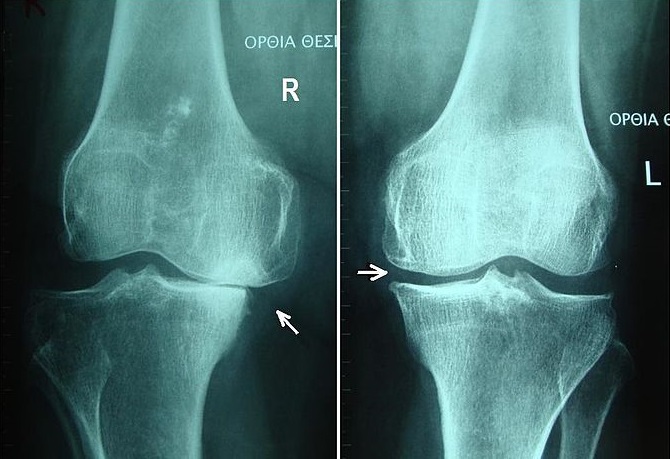
More than 30 million adults in the United States have some form of osteoarthritis, and the knee is the joint most commonly affected, according to research from the Siteman Cancer Center reported by Science Daily.
Knee osteoarthritis develops as the cartilage cushioning the bones in the joint gradually breaks down. As that protective layer thins, pain and stiffness can develop and worsen over time. The condition is strongly associated with aging, but roughly half of all cases occur in people who are still of working age.
"Osteoarthritis can cause knee pain and stiffness, which can negatively impact a person's activity level, risk of falling, mood and general quality of life," said Dr. Abby Cheng, an orthopedic surgeon at Washington University School of Medicine in St. Louis who also specializes in physiatry, the nonsurgical treatment and rehabilitation of conditions such as arthritis.
The effects extend well beyond the joint itself. Difficulty moving can lead to missed work and lost income. It can also discourage physical activity, which in turn raises the risk of other chronic conditions including heart disease, cancer, and diabetes.
Certain factors increase a person's risk. "Having weak leg muscles and being overweight or obese increases a person's risk for knee osteoarthritis," Cheng said. "Women, older adults, people with a prior knee injury and those with a family history of osteoarthritis are also more likely to have the condition."
The research emphasized that the condition's progression is not entirely beyond a person's control. Several lifestyle interventions have been shown to help manage symptoms and may slow worsening of the disease.
"Eating more plants and less processed or sugary food reduces inflammation in the body, which can reduce pain from osteoarthritis in all joints," Cheng said. "Other common treatments for knee osteoarthritis include strengthening the thigh muscles, using knee braces, taking anti-inflammatory medications, getting cortisone and other injections, and sometimes having knee replacement surgery."
Health care providers can work with patients to build individualized management plans. Modest weight loss, in particular, reduces the mechanical load on the knee joint and has been shown to meaningfully reduce pain even when the weight loss is relatively small.