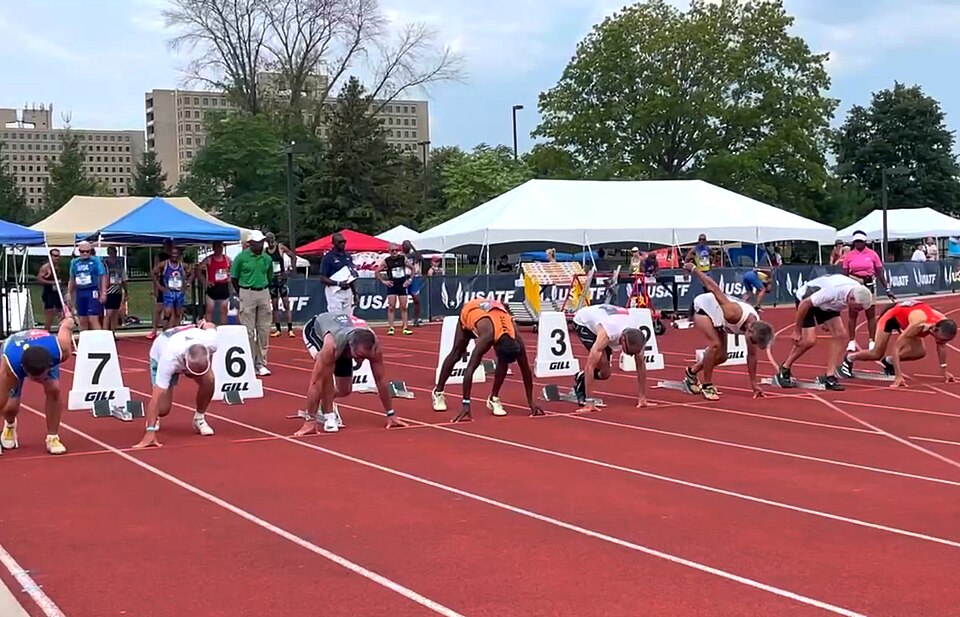
A few minutes of intense sprinting may trigger a molecular response in the body that a much longer moderate workout simply does not produce. That is the finding of a new study from Rockefeller University published on August 21, 2026.
Researchers compared how the body responds to exercise performed at two different intensities. One group performed six 30-second all-out sprints, totaling three minutes of high-intensity work. Another group completed 90 minutes of continuous moderate cycling. A third group ran at a moderate pace on a treadmill.
The results were striking. The brief sprint session changed nearly one-quarter of all proteins measured in the blood immediately after exercise. By comparison, 90 minutes of moderate cycling altered less than one-quarter of one percent of blood proteins. Moderate treadmill running affected more proteins than cycling, but still far fewer than the sprint session, according to Science Daily.
Sprinting also altered more than 200 metabolites and rapidly increased levels of proteins involved in blood vessel growth, tissue remodeling, and hormonal signaling. Researchers found that some of these proteins reached the bloodstream through a process called ectodomain shedding, where pieces of proteins already located on the surface of cells are cut away and rapidly sent into circulation, rather than being newly produced.
The team also tested how human fat cells responded to blood collected after sprinting. Those cells showed widespread changes in gene activity, including shifts in how they processed fuel, reacted to hormones, and detected nutrient availability. Fat cells exposed to blood collected after moderate cycling showed only small changes in gene activity by comparison.
Moderate exercise did produce its own effects, but on a different timeline. A substantial rise in fatty acids and liver-derived proteins associated with the demands of endurance exercise did not appear in the bloodstream until three hours after the workout, well after the immediate post-sprint surge.
The researchers then cross-referenced the proteins affected by exercise with health data from more than 53,000 participants in the UK Biobank. Many of the proteins altered by sprinting were associated with lower risks of cardiovascular and metabolic disease. The connection was especially notable for obesity and type 2 diabetes. Among 33 proteins linked to lower risk for those conditions, 32 were altered by sprinting. Only three were affected by moderate exercise. More than one-quarter of those same proteins were also linked to slower biological aging.
The study does not argue that moderate exercise is without value. The two types of workouts produced different patterns of molecular change, and the long-term effects of each remain an area of ongoing research. What the findings do suggest is that intensity, not just duration, plays a significant role in how the body responds to physical activity at the molecular level.