Fire and rescue agencies in California are turning to a four-legged approach to mental health support, deploying peer-support dogs to help personnel cope with the psychological toll of the job, according to FireRescue1.
First responders face repeated exposure to traumatic events, including fatal accidents, mass casualty incidents, and the deaths of colleagues. That sustained exposure carries a significant mental health burden. Rates of post-traumatic stress disorder, depression, anxiety, and suicide are elevated among firefighters and emergency medical personnel compared to the general population. Traditional mental health resources, including therapy and counseling, remain available, but some first responders are reluctant to seek that kind of help due to stigma or concerns about how it may affect their careers.
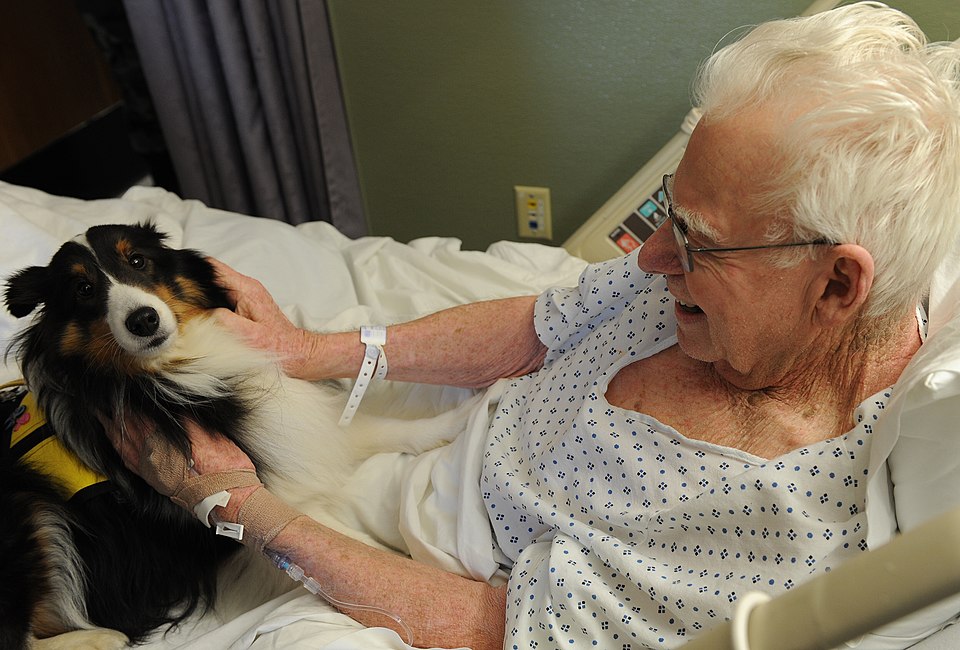
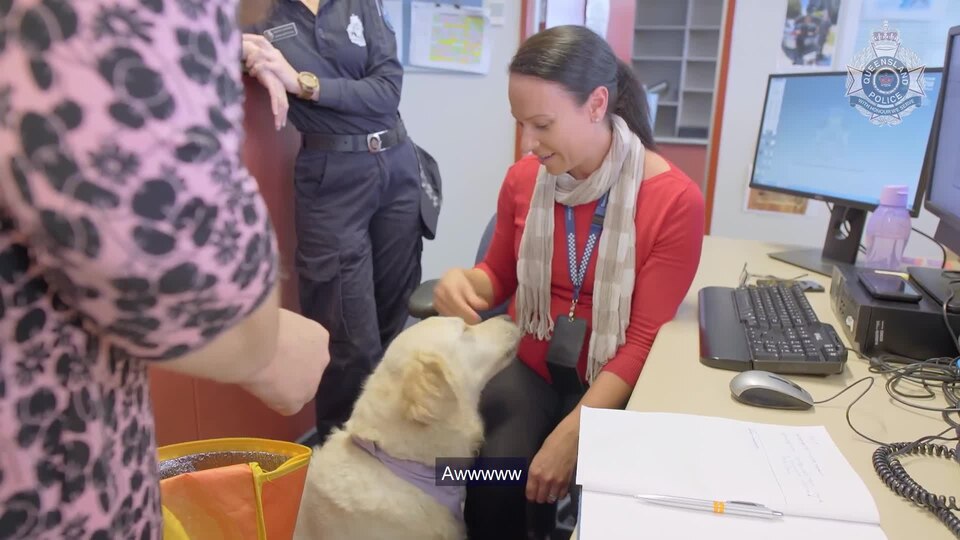
Peer-support dogs offer a different kind of entry point. The animals are trained to provide comfort and reduce stress, and they can be present in firehouses, at critical incident debriefs, or after particularly difficult calls. Unlike a formal counseling session, interacting with a support dog carries no paperwork, no diagnosis, and no perceived professional risk.
The approach also builds on what research has shown about animal-assisted interventions. Physical contact with a calm animal can lower cortisol levels, reduce heart rate, and produce measurable reductions in self-reported stress. For first responders who may resist conventional mental health services, a dog in the station can be a less threatening first step toward acknowledging and addressing psychological strain.
California agencies adopting these programs are joining a small but growing number of departments across the country that have integrated animals into their peer support structures. Some programs pair the dogs with human peer support specialists, creating a combined approach that uses the dog to open conversations that might otherwise not happen.
Program coordinators note that the dogs themselves require careful selection and ongoing training. Not every dog is suited to the work. Animals used in high-stress environments around loud sounds, unpredictable behavior, and large groups of people need specific temperament qualities and consistent handler support.
The broader context is a push within the fire service to take mental health as seriously as physical safety. Departments have invested in protective gear, injury prevention, and cancer screening in recent decades. Mental health support, including peer-support dog programs, represents an extension of that investment into an area that has historically received less attention.