Wildfire smoke drifting into Iowa is causing harm that goes beyond breathing problems, according to a report by KMAland.com. Health officials say the smoke is affecting both the physical and mental health of residents across the state.
The physical effects of wildfire smoke are well documented. Fine particulate matter, known as PM2.5, penetrates deep into the lungs and can worsen conditions like asthma, chronic obstructive pulmonary disease, and cardiovascular disease. People with pre-existing respiratory or heart conditions face the greatest immediate danger, but even healthy individuals can experience symptoms when smoke concentrations are high.
What is drawing more attention from health officials is the mental health dimension. Exposure to air pollution events, including wildfire smoke, has been associated with increased anxiety, depression, and psychological distress. The mechanism is not fully understood, but researchers believe both the biological effects of inhaled particles and the stress of living through environmental disasters contribute to mental health declines.
Iowa is not a state typically associated with wildfire risk, which may mean residents and health infrastructure are less prepared for recurring smoke events than communities in western states where wildfire smoke has been a seasonal reality for years. That lack of preparation can affect both individual responses and the availability of public health guidance.
Health officials have encouraged Iowans to monitor air quality indexes, limit outdoor activity on high-smoke days, and use air filtration indoors when possible. People experiencing respiratory symptoms are advised to seek medical attention, while those feeling heightened anxiety or distress related to the smoke events are encouraged to reach out to mental health resources.
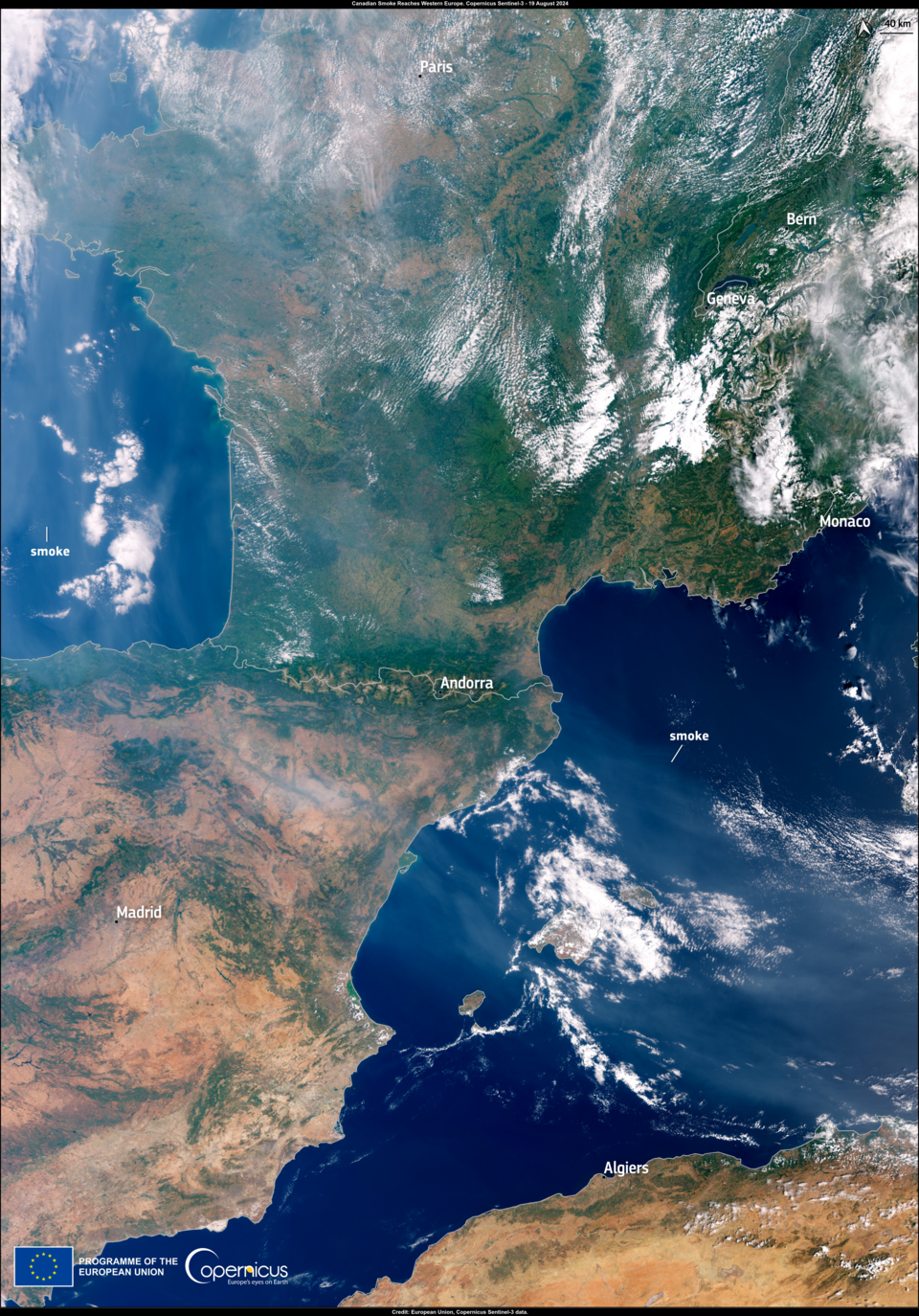
The broader pattern is one that public health researchers have been tracking nationally. As wildfire seasons grow longer and smoke travels farther from fire origin points, states far from active fires are increasingly exposed to health consequences that were once considered a regional problem confined to the western United States.