A new technology platform in Arizona is helping community health workers navigate Medicaid billing, a process that has historically kept many frontline health workers from getting paid for their services.
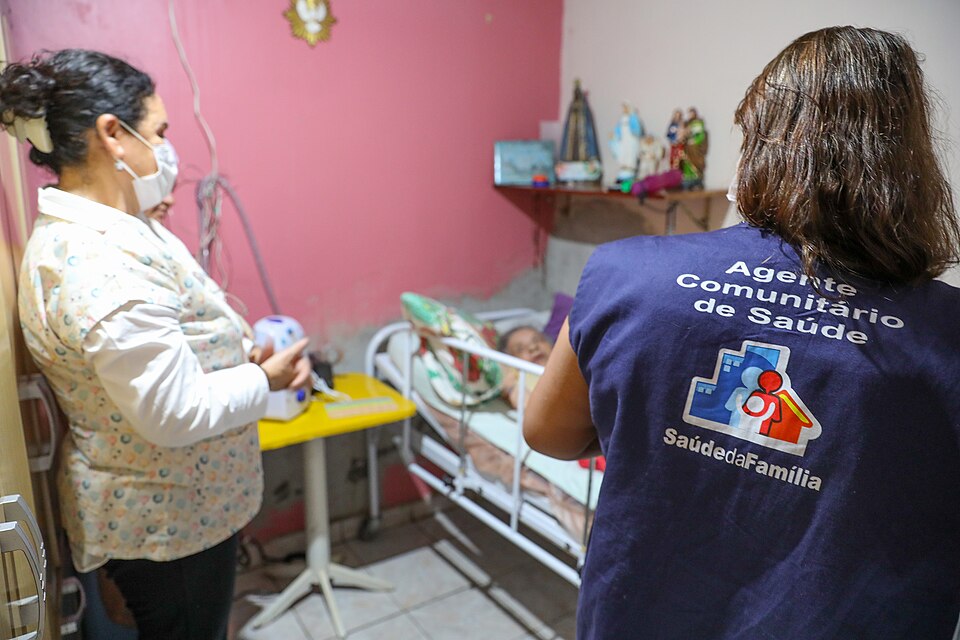
The platform, described by the Eastern Arizona Courier as an Uber for community health workers, connects CHWs with a system that allows them to bill Medicaid directly. Community health workers are frontline public health employees who typically work in underserved areas, helping patients manage chronic conditions, navigate social services, and access medical care.
Arizona expanded Medicaid coverage for community health worker services in recent years, but many CHWs lacked the administrative infrastructure to bill for those services. The new platform is designed to bridge that gap by handling billing logistics on behalf of the workers.
Community health workers are distinct from nurses or doctors. They are often members of the communities they serve and act as a link between patients and the broader health system. Their work includes home visits, care coordination, and patient education. Despite the value of those services, getting paid through Medicaid has required navigating a complex administrative process that many CHWs are not equipped to handle alone.
The platform being compared to Uber functions by connecting workers to billing support and Medicaid compliance systems, allowing CHWs to focus on patient care rather than administrative tasks. Advocates for community health workers say access to Medicaid pay could stabilize the workforce, which has historically relied on grants and nonprofit funding.
Arizona is among a growing number of states that have moved to reimburse community health worker services through Medicaid. The platform could serve as a model for other states looking to expand CHW workforces while ensuring workers are compensated through sustainable funding streams.