A robot vacuum ran over a glue trap, suctioned up a dead mouse, then ran out of battery and sat on the floor until its owner came home to the smell. That experience, described by a CNET robot vacuum reviewer, captures the gap between what home robots promise and what they actually deliver.
The reviewer's first robot vacuum was a Neato Robotics XV Signature Pro purchased in 2015. According to CNET, it could not distinguish a mouse from a sock. The entire unit ended up in the trash.
A later model, the Ecovacs Deebot N795 purchased in 2018, performed better in several ways. It had improved app support, quieter operation, and better self-docking. But it still suffered from a core weakness. It bumped into furniture, ran over shoes and socks, and could not reliably recognize or avoid objects on the floor. Left unsupervised, it might finish the job or it might end up tangled in cables with a dead battery.
Robot vacuums have improved significantly since those early models. Modern versions use lidar navigation technology, the same type once found only in self-driving cars. They carry advanced sensors and AI systems that can identify objects. Some models mop, self-empty, and self-clean. A few come with gripper arms capable of picking up scattered items, and some have lift systems that allow them to climb stairs.
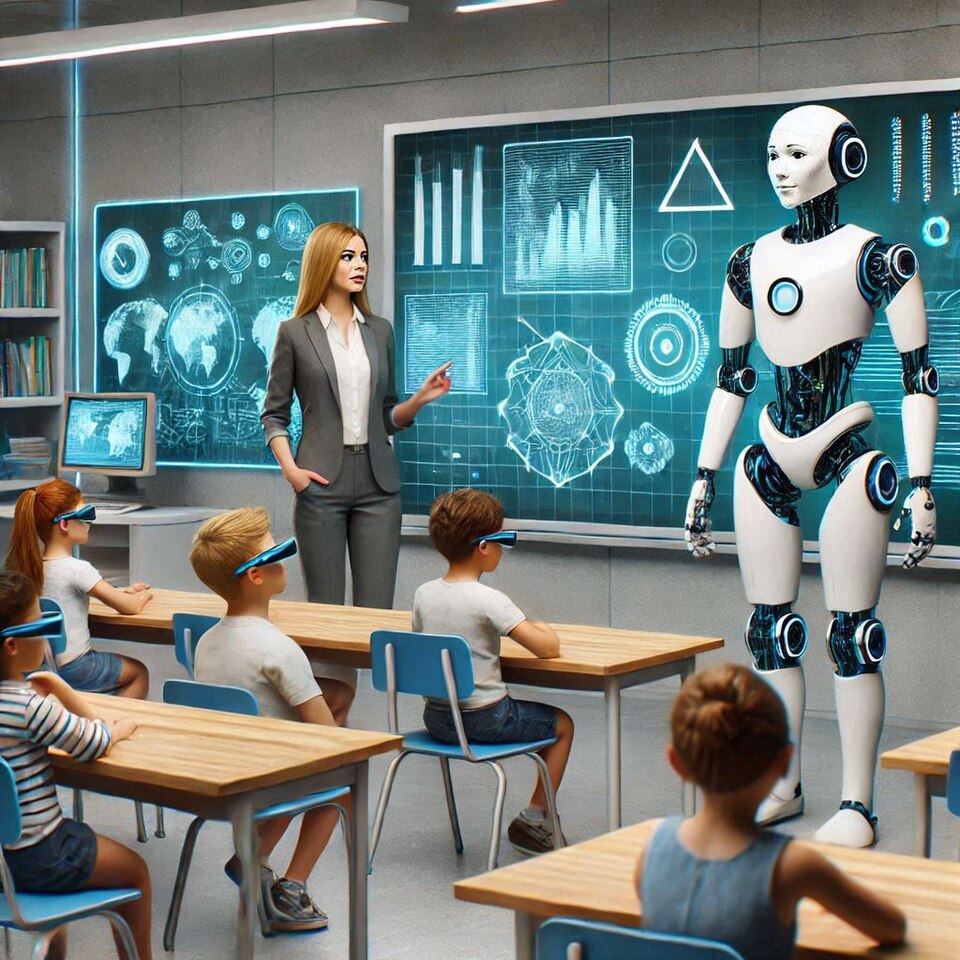
Despite that progress, the consumer robotics industry is now pushing toward something far more complex: humanoid robots designed to operate inside homes. Companies have been generating attention with videos showing bipedal robots folding laundry, walking steadily, and performing household tasks. The concept drew significant interest at CES, the large consumer electronics trade show, earlier in 2026.
One robot drawing attention is Neo, made by 1X Technologies. It is described as the most human-looking robot currently being promoted for home use. Neo has functional legs, a fabric-covered body, and five-fingered hands driven by tendons. Demo videos show it serving coffee, vacuuming, and cleaning windows. The preorder price is $20,000.
However, as CNET notes, a preorder listing does not mean a product is coming to market on any particular timeline. The article raises several open questions about whether humanoid robots are actually close to being useful in real homes.
Among the challenges identified are merging a physical body with general intelligence, improving what researchers call physical AI, deciding whether home robots should be designed to look like humans at all, and navigating the privacy concerns that come with putting a camera-equipped robot inside a household.
The hands versus grippers debate and the legs versus wheels question also remain unresolved in the industry. Each design choice involves tradeoffs between capability, cost, and reliability. Robots with legs can theoretically climb stairs and navigate more types of environments, but legs are mechanically complex and failure-prone compared to wheels.
Robot vacuum technology took more than a decade to reach its current level of reliability, and even now the CNET reviewer's experiences show that failures still happen. Humanoid robots are attempting to solve problems that are orders of magnitude more complex, from recognizing and manipulating hundreds of different household objects to operating safely around children and pets.
No firm release date for consumer humanoid robots from any of the major companies working in this space has been confirmed.