A research team scrambling through dense salal brush in darkness, weaving between old-growth western red cedars on northern Haida Gwaii, made a discovery this summer that had not happened in more than three decades.
The team found the first marbled murrelet nest recorded on Haida Gwaii in over 30 years. It is only the second confirmed nest ever found on the island. The find was reported by Phys.org and comes from ongoing Ph.D. research conducted in partnership with the Council of the Haida Nation and Environment and Climate Change Canada.
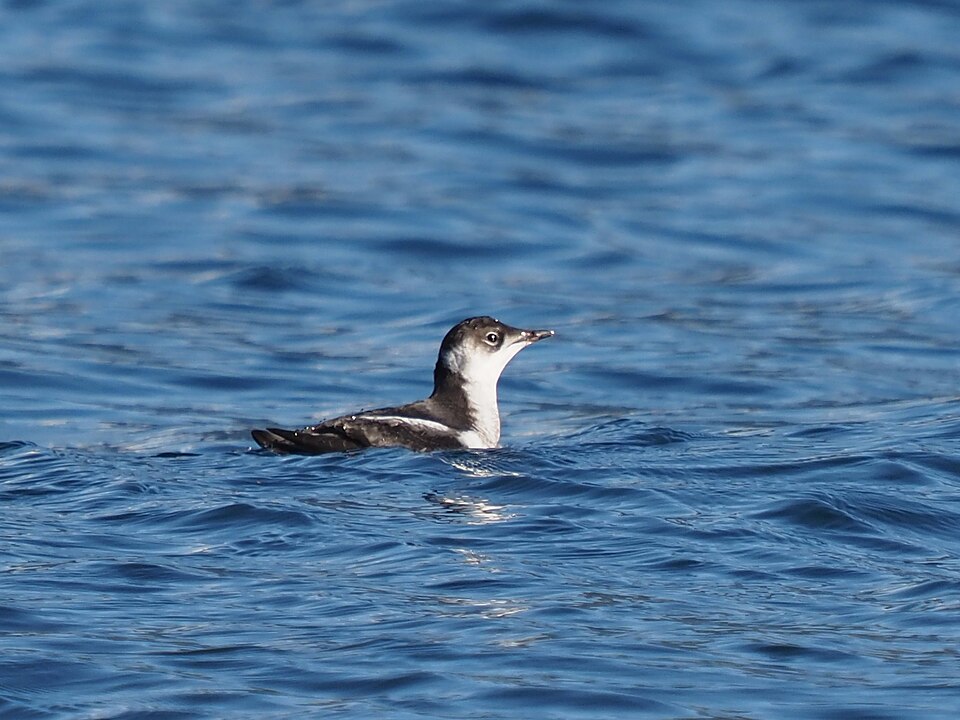
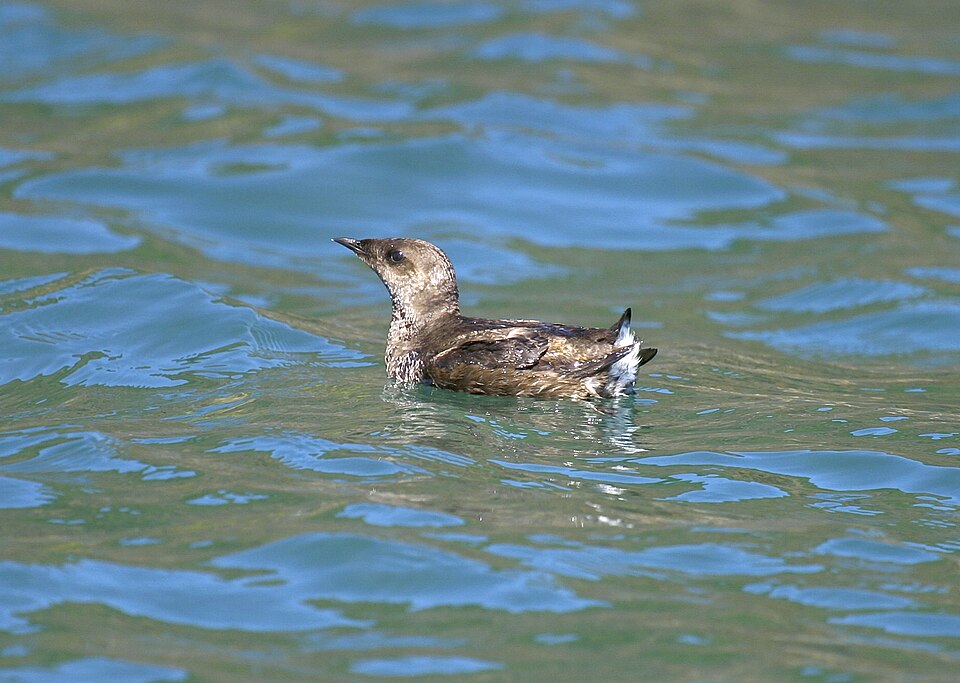
The marbled murrelet is a small seabird, roughly the size of a robin. During breeding season, its feathers shift to a forest palette of chocolate brown, cinnamon, buff and black. In winter, those feathers are replaced with crisp black-and-white plumage suited to open ocean life. Bobbing among whitecaps, the bird blends into light and shadow on the water.
What makes the species unusual among seabirds is where it nests. Rather than using cliffs or rocky offshore islands, marbled murrelets fly inland each spring, sometimes more than 80 kilometers, to lay a single egg on broad, moss-covered branches high in the canopy of ancient forests. Their flights happen at dawn and dusk. Listeners in those early hours can sometimes hear the birds' distinctive "keer" calls overhead. After the egg hatches, the adults commute daily between forest and sea, carrying foraged fish back to feed the single chick.
The search for the nest began not in the forest but on the ocean. The research combines GPS tracking, diet analysis, environmental DNA and direct nest searches to map where the birds forage, what they eat and where they breed. The connections between the marine and terrestrial environments the birds depend on are at the center of the study.
Those two environments are both under pressure. Over the past century, logging has dramatically reduced old-growth forest across British Columbia, cutting into the nesting habitat the birds require. At the same time, changing ocean conditions have reduced populations of the small forage fish the murrelets eat. Facing threats on both fronts, the marbled murrelet is listed as threatened under Canada's Species at Risk Act.
Understanding how the marine and terrestrial parts of the bird's life connect has become one of the central questions in murrelet conservation. The Haida Gwaii nest discovery gives researchers a rare ground-level data point in a region where confirmed nests have been almost entirely absent from the record.
The research continues this season as the team works to track individual birds between their ocean foraging grounds and their nesting sites in the old-growth interior.