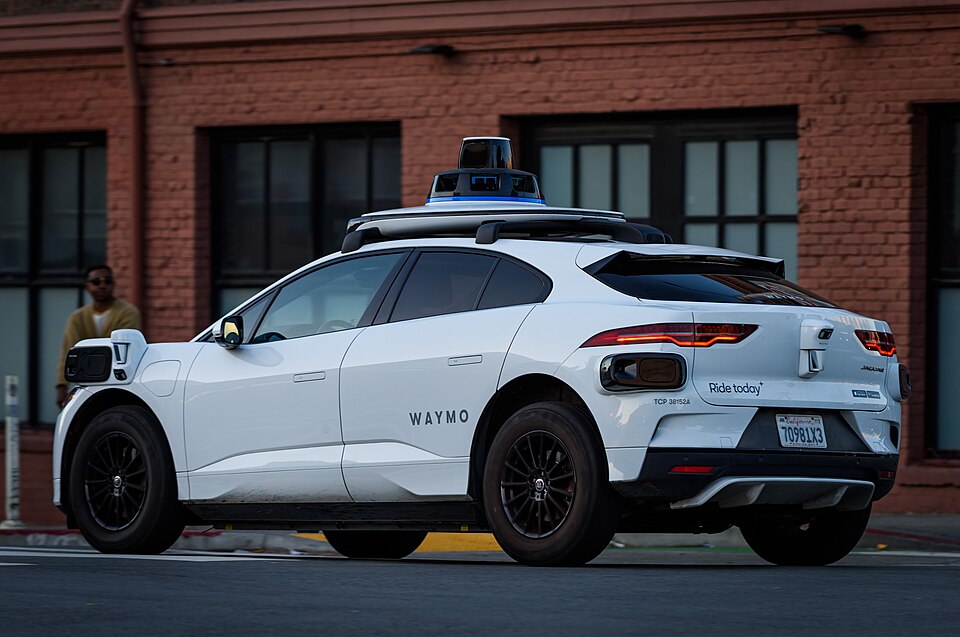
Watching a Waymo car move through city traffic with no one behind the wheel can make it feel like autonomous vehicles have already reached the top of the technology ladder. According to Engadget, that feeling is accurate in some ways and misleading in others.
Under the framework set by SAE International, the Society of Automotive Engineers, Waymo's vehicles operate at Level 4 automation, not Level 5. The distinction is not about how independently the car drives. It is about where that independence applies.
SAE defines six automation levels, numbered 0 through 5. At Level 0, a human does all the driving even if safety systems can briefly step in. Level 1 assists with either steering or speed control. Level 2 handles both at the same time, but the driver stays responsible. Level 3 lets the system handle driving under certain conditions, though a human must be ready to take over when asked. Level 4 removes that requirement entirely. Once the system is operating within its intended conditions, the people inside are passengers, not backup drivers.
That last phrase matters. Level 4 systems operate within what engineers call an operational design domain, or ODD. The ODD defines the geographic areas, road types and weather conditions a system is built to handle. Waymo's published safety research describes its automated driving system as SAE Level 4, and that classification holds even when no human is present in the vehicle. Its cars can complete rides without a driver, but that ability comes with defined operating limits.
Level 5 eliminates those limits. The National Highway Traffic Safety Administration describes Level 5 as operating universally rather than within limited service areas. A Level 5 vehicle would need to handle any road, in any weather, anywhere, without restriction.
No vehicle currently meets that standard. Researchers and engineers have debated whether a true Level 5 system is a practical goal or a theoretical endpoint that may never be fully achieved. Road conditions, weather variability and the unpredictability of human environments present challenges that a bounded operational domain can sidestep but a universal system cannot.
For now, Waymo can accurately describe its service as fully autonomous within the bounds of its operating territory. Its driverless rides in cities like San Francisco and Phoenix represent Level 4 capability, which is the highest level any commercial system has reached. The gap between Level 4 and Level 5 is not a matter of better sensors or faster software alone. It is a question of whether any system can be designed to handle everything, everywhere, without exception.