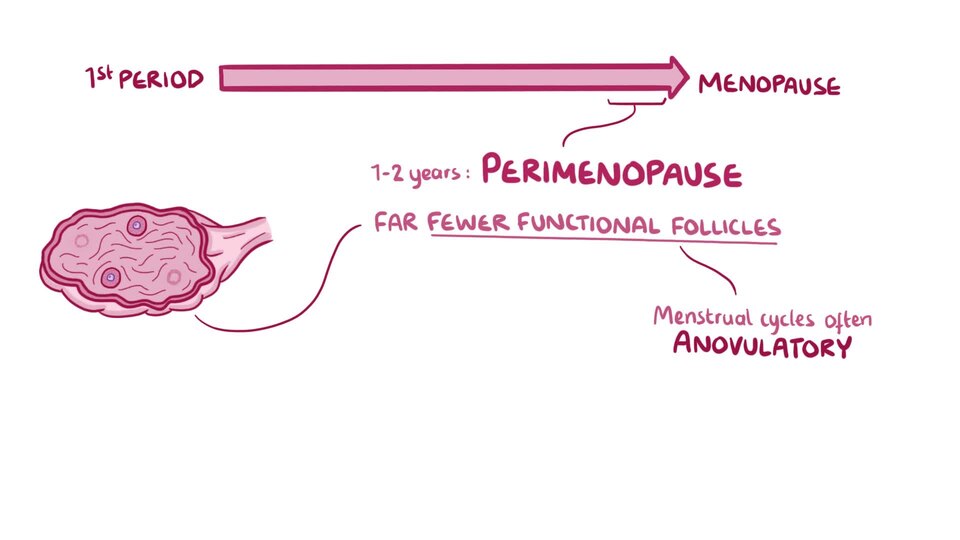
An estimated 2 million women enter perimenopause each year in the United States. Most of them do it without a doctor's visit dedicated to the subject, without a formal conversation, and, for many, without even knowing what perimenopause is.
The average onset occurs during the mid-40s, and the transition typically lasts between four and eight years, according to Healthline. Common symptoms include hot flashes, irregular periods, vaginal changes, and psychological effects such as exhaustion and irritability. A recent global study found that perimenopausal women experienced a 1.5-fold increase in psychological symptoms like physical and mental exhaustion. Those symptoms can interfere with daily activities, work, and overall quality of life.
A 2025 study logged around 145,000 symptoms associated with different stages of menopause from nearly 5,000 individuals. About 39 percent of those symptoms, roughly 56,550, were perimenopausal. But experts are careful to note that not every symptom linked to this period of life is necessarily caused by perimenopause itself.
Stephanie Faubion, MD, MBA, director of the Mayo Clinic Center for Women's Health and medical director of the Menopause Society, pointed to frozen shoulder as one example. The condition tends to develop during midlife, which has led to anecdotal connections to perimenopause. But the evidence is not there to support that link.
"We need to be extremely cautious about bucketing all of this stuff under perimenopause," Faubion said. "Just because it's a symptom of getting older doesn't mean it has some hormonal relation. We actually don't know."
A large-scale survey published in the journal Menopause found that perimenopause remains an underrecognized and often misunderstood life stage. That lack of awareness has pushed many women toward social media for answers. A 2026 report published by Reddit found that menopause communities are growing rapidly online. The forum r/perimenopause experienced a 387 percent increase in membership in the past year alone.
Faubion told Healthline that the root of the problem is education, or the absence of it. "I think it has to do with a lack of education," she said. "We all get 'the talk' before we start our periods, but women don't have a specific time or venue where they get 'the talk' about what's going to happen on the reverse side. There's no 'Welcome to Perimenopause' doctor's visit."
That gap leaves women to sort through symptoms on their own, often turning to unreliable sources. The wide variation in how perimenopause presents from person to person adds another layer of difficulty. The timing, severity, and range of symptoms can differ substantially between individuals, which makes it harder to recognize the transition and harder still for clinicians to address it consistently.
Faubion has called for more standardized education around the menopause transition, both for patients and for the medical community. For now, women who suspect they may be in perimenopause are encouraged to speak with their doctors directly rather than relying on online forums or social media accounts.