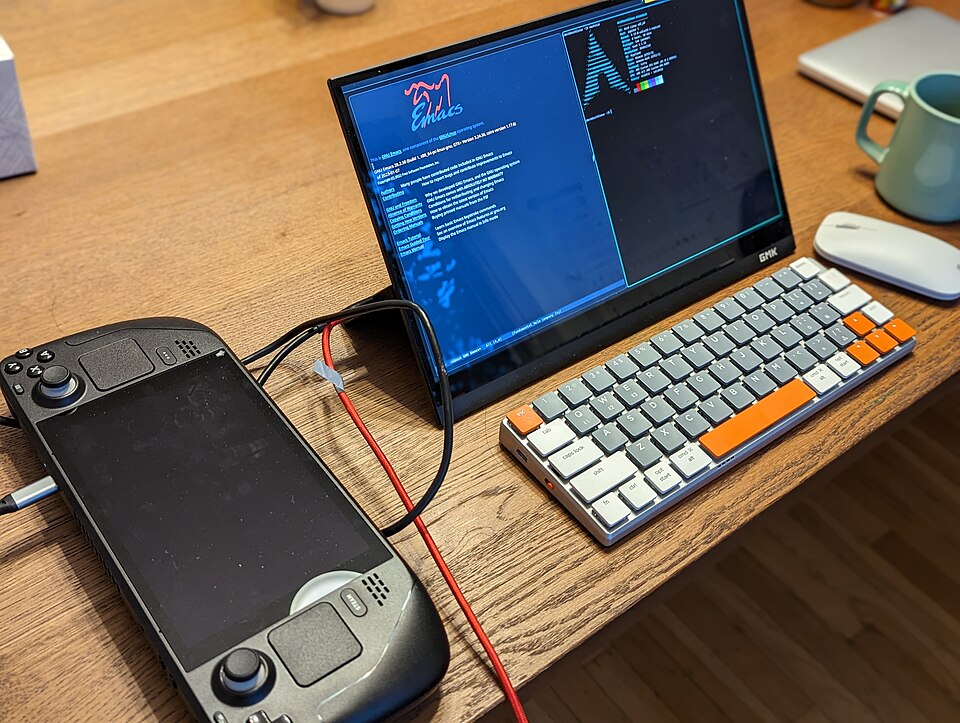
The Steam Deck cost a lot less when it launched in February 2022. Four years later, it costs $300 more, and the handheld gaming market it helped create has filled up with serious competitors.
According to a report by Engadget, a memory shortage driven by AI companies consuming massive amounts of RAM in data centers has pushed prices up across the tech and gaming industries. Console prices, which historically fall over time, have instead risen. The Steam Deck has absorbed a $300 price increase, and the only version still sold is the Steam Deck OLED, which launched in 2023 with improvements to the screen and battery life but no meaningful performance upgrades.
The gaming landscape has also shifted in ways that put more pressure on the Steam Deck's hardware. Unreal Engine 5, released just months after the original Steam Deck, gave developers far more powerful tools for building complex visuals. Games have grown more demanding as a result, and the Steam Deck's performance specs have not kept pace.
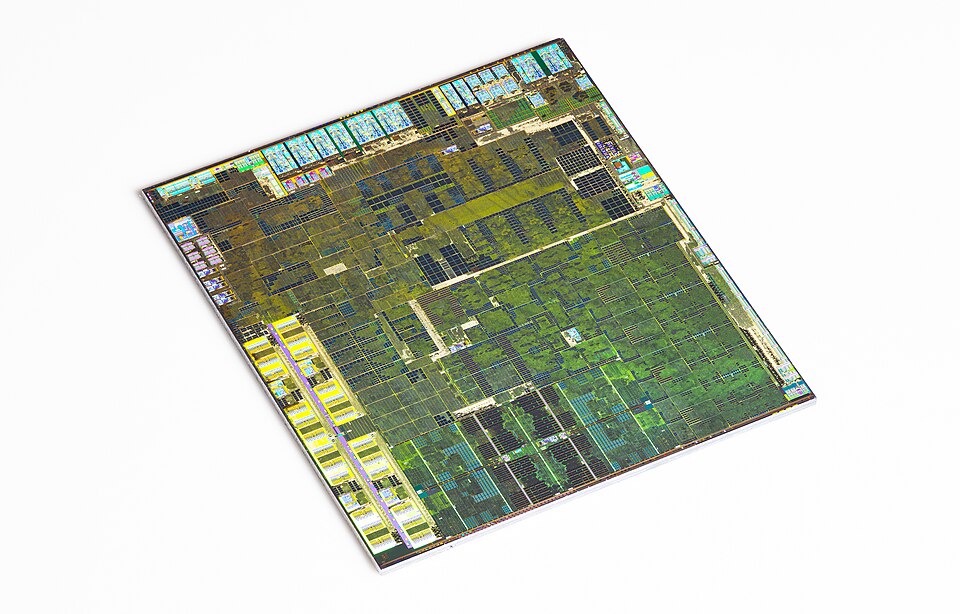
The two biggest competitors in 2026 are the Asus ROG Xbox Ally and the Lenovo Legion Go line. Both generally outperform the Steam Deck in benchmark tests. In Engadget's testing, all models in both lines delivered better frame rates than the Steam Deck in most cases, and all achieved higher raw 3DMark Time Spy scores, a standard benchmark for GPUs and CPUs, except for the Legion Go S and the Legion Go model using the less powerful Z2 AMD chip. The report notes that performance differences can sometimes be minimal depending on the game, in some cases down to just a few frames.
The two lines aim at somewhat different users. The Xbox Ally and Ally X appeal to players who favor Xbox titles, though not every game supports Xbox Play Anywhere. The Ally runs Windows, which has drawn frequent criticism. The Legion Go addresses that problem by offering models that run SteamOS, and its larger lineup includes models with detachable controllers similar to the Nintendo Switch's Joy-Cons, making it a stronger option for docked play.
The Nintendo Switch 2 is another alternative, though its game library is more limited. "Prices are ludicrous," said Jessica Conditt, who wrote Engadget's review of the Steam Deck OLED. "I feel like Switch 2 is the only handheld that makes sense for its price at the moment, honestly."
The Switch 2 rose to $500 in September 2026, up from $450, but that still puts it below the Xbox Ally and Legion Go in price. Even with that increase, it remains the most affordable option among the major competitors.
The Steam Deck does retain features that help it stand out, according to the report, though Engadget does not detail all of them in the section available. What is clear is that the device faces a harder sell in 2026 than it did at launch. It entered a market it largely created, with strong software integration and a loyal user base. It now competes in that same market against devices with faster processors, more flexible operating systems, and in some cases lower starting prices. The memory shortage that raised its price shows no sign of easing, and the AI data center demand driving that shortage continues to grow.