

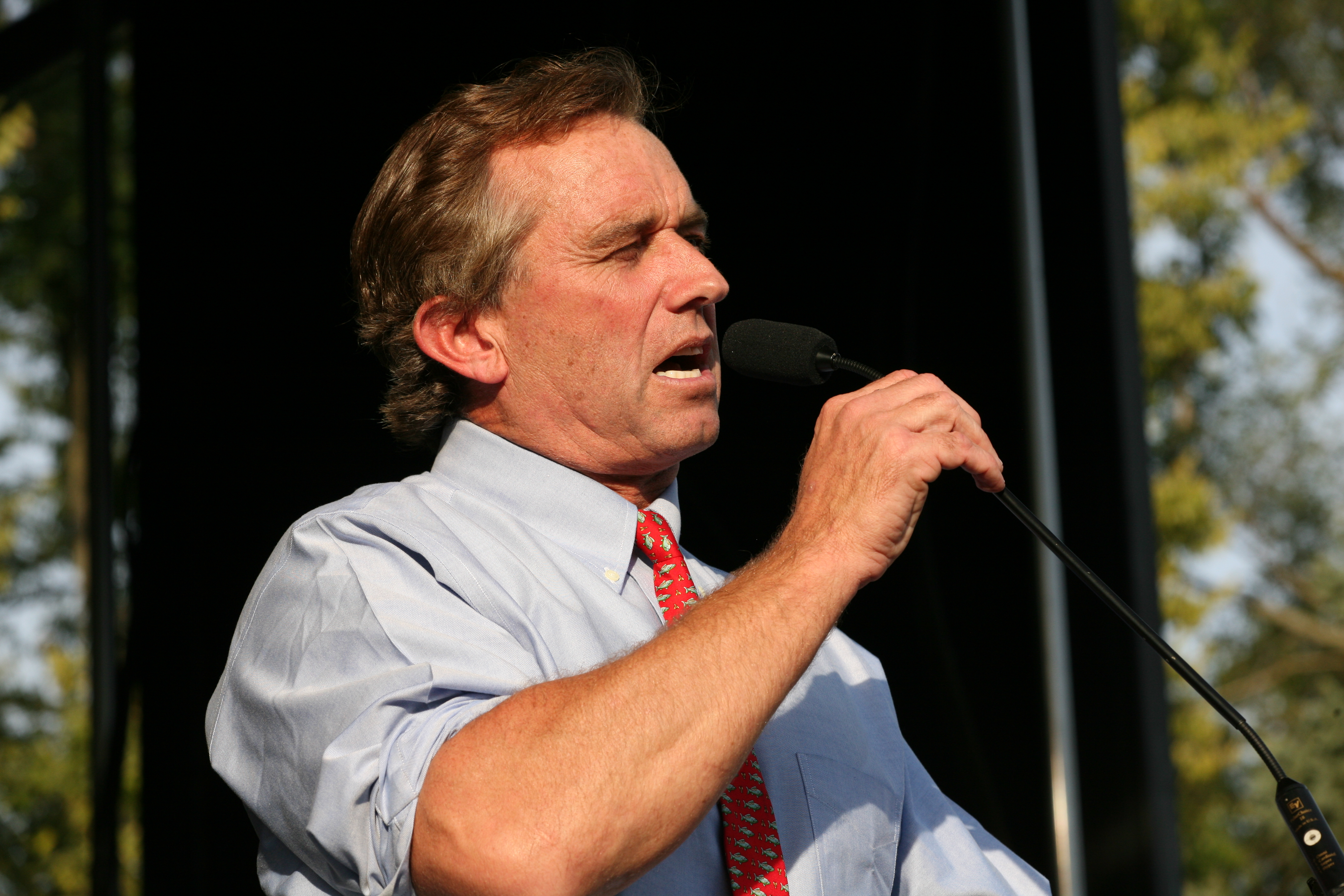
Health Secretary Robert F. Kennedy Jr. has backed a Trump administration plan that reduces the number of childhood immunizations recommended for all children from 17 to 11 and calls for the measles, mumps, and rubella shot to be given as three separate single-disease injections once those products are available. President Donald Trump signed the executive order on August 10. The order also says combination vaccines must remain available while federal officials work on options for separate shots.
This plan comes as measles cases in Pennsylvania have climbed to 731, with four measles-associated deaths reported so far this year. The Pennsylvania Department of Health says all four people who died were unvaccinated. The first two were Pennsylvania’s first measles-related deaths in 35 years. Pennsylvania says a measles-associated death must meet its epidemiological criteria, including clinical evidence, a positive laboratory test, and a finding that death was not due to an unrelated cause. The state also says only four of its 731 confirmed cases were in people appropriately vaccinated for their age.
The plan has drawn criticism from the American Academy of Pediatrics and other medical groups, which say there is no new evidence to support the changes. CDC says two doses of MMR vaccine are about 97 percent effective at preventing measles and that there is no published scientific evidence of a benefit from separating MMR into three shots.
The push to reduce vaccines follows Kennedy’s long-standing skepticism about immunization, which he has promoted through media appearances and public statements, according to The Guardian. In a March 2025 appearance on Fox News, Kennedy said the measles vaccine causes deaths every year and can cause encephalitis and blindness. FactCheck.org and infectious disease experts said the claim that the vaccine causes deaths every year was unsupported.
Paul Offit, director of the Vaccine Education Center at Children’s Hospital of Philadelphia, noted that manufacturers have no intention to split the MMR vaccine into separate formulations. Offit said the idea offers no safety benefit and contradicts decades of successful use of the combined shot in the United States. Single-antigen measles vaccine is not currently available in the United States. Some earlier changes to federal childhood vaccine recommendations were halted by a federal judge.
The executive order also sparked concern among state health officials and medical groups that are now issuing their own guidance alongside or instead of federal recommendations. Andrew Racine, president of the American Academy of Pediatrics, emphasized that health departments must provide science-based guidance to families.
CDC data shows a record number of kindergarteners are now claiming vaccine exemptions for the 2025-26 school year. Exemptions from one or more vaccines rose to 4.2 percent from 3.6 percent a year earlier, representing about 155,000 kindergarteners. Some state legislators have also removed references to CDC guidance from their own laws and policies.
In Pennsylvania, health departments and school partners have organized vaccination clinics to help children meet school immunization requirements and increase access to MMR shots. By August 25, the state had held 91 measles vaccine pop-up clinics and planned 40 more, with more than 4,100 vaccinations administered at the pop-up clinics.
The situation reflects a broader national shift as federal vaccine guidance changes and state officials take a larger role in giving families immunization advice. Kennedy’s actions have been seen by some as part of a larger movement that challenges mainstream public health recommendations, according to a report from STAT News.
At a September 17 speech to Children’s Health Defense, Kennedy discussed electromagnetic frequency and “chemtrails” and asked whether some chronic illnesses could be associated with vaccines. STAT News reported that the speech marked a return to themes central to Kennedy’s longtime vaccine activism and came just before the November midterm elections. Kennedy told attendees they had a “strong and steadfast friend” in the White House.
The controversy has raised concerns about the long-term impact on public health and immunization efforts in the United States. Health officials continue to urge parents to follow recommended vaccination schedules to protect children and communities from preventable diseases. Despite the pushback, many pediatricians and public health experts remain committed to promoting vaccine confidence and education. The debate over vaccines continues as federal and state agencies work to balance scientific evidence with public concerns.
Kennedy Argues Vaccine Risks Need More Study
Kennedy has argued that vaccine policy should include more discussion of possible side effects and gaps in safety research. Vaccines can cause adverse reactions. Most are mild but rare serious reactions are documented. The CDC says the MMR vaccine can cause fever, rash and soreness. It can also cause febrile seizures in about one of every 3,000 to 4,000 vaccinated children. A temporary condition that lowers blood platelets has been estimated at about one case for every 40,000 vaccinated children.
Kennedy has also questioned whether the entire childhood vaccine schedule has received enough study. A National Academies review found that much more research has been conducted on individual vaccines than on the childhood schedule as a whole. The report said some questions about the timing and cumulative number of vaccines could be studied further. However, the same review found no evidence of major safety concerns from following the recommended schedule.
The Trump administration has used similar reasoning in changing federal vaccine policy. An HHS assessment said the United States historically recommended more routine childhood vaccines than many comparable countries. It called for additional randomized trials and long-term studies. The administration has also directed researchers to study vaccine timing and alternatives to aluminum-based adjuvants.
Kennedy has argued that parents should receive more information about vaccine injuries and should be able to make informed choices. The federal government already recognizes that serious vaccine injuries can occur. The National Vaccine Injury Compensation Program provides compensation in qualifying cases involving vaccines including MMR, polio, influenza and several other childhood vaccines. Manufacturers of vaccines covered by the program also receive certain liability protections under federal law. Those protections are not absolute.
Some of Kennedy's more specific claims remain disputed by strong scientific evidence. He said in 2025 that the measles vaccine causes deaths every year and can cause encephalitis and blindness. Serious reactions are possible but reviews have not shown that MMR causes deaths each year in healthy people. Rare vaccine-related complications have occurred in severely immunocompromised patients. These patients are generally advised not to receive the live MMR vaccine.
Kennedy also supports making separate measles, mumps and rubella vaccines available instead of relying only on the combined MMR shot. Current evidence has not shown a safety benefit from separating the three vaccines. CDC says no published scientific evidence demonstrates a benefit from doing so. The World Health Organization has also found no evidence supporting routine use of separate vaccines instead of MMR.
Questions about pharmaceutical company incentives are also part of his debate. Vaccine manufacturers are commercial companies and federal law provides certain protections from lawsuits involving covered vaccines. At the same time, vaccines undergo FDA review and continued safety monitoring after approval. Reports made to the federal VAERS system can identify possible warning signals. A report by itself does not prove that a vaccine caused an injury. FDA says researchers must examine those signals using medical records and other safety databases before determining whether there is a causal connection.
The disagreement therefore involves more than whether vaccines can cause side effects. Medical authorities agree that adverse reactions are possible. The larger dispute is whether existing evidence justifies reducing the number of routinely recommended vaccines or separating established combination vaccines. Kennedy and the administration argue that additional research and greater parental choice are needed. Major medical organizations and international vaccine-safety reviews say the existing evidence continues to support the safety of the established childhood vaccines while safety monitoring continues.