

Federal investigators are working to identify who sent suspicious letters containing unknown substances to election offices and congressional staff across the United States. The mailings have prompted emergency responses, office evacuations and security warnings ahead of the November 3, 2026, midterm elections.
The FBI, U.S. Postal Inspection Service and U.S. Capitol Police are investigating the incidents. Some letters reached their destinations, while postal inspectors intercepted others before they could be delivered.
Election offices in Louisiana and Oklahoma were evacuated after receiving envelopes containing white powder on Tuesday, October 13. A similar mailing addressed to Ohio Secretary of State Frank LaRose was intercepted the following day.
Authorities have not announced who sent the letters or what motivated the incidents. Tests have ruled out hazardous materials in some packages, but investigators are continuing to examine the broader series of mailings.
Louisiana Election Office Evacuated
The Louisiana secretary of state's office in Baton Rouge was among the first confirmed recipients.
An employee working in the Elections Division opened a suspicious package shortly after noon Tuesday and discovered an unidentified white powder inside.
Emergency personnel responded, and the building was evacuated while investigators examined the substance.
The employee was taken to an emergency department as a precaution but was not injured. Initial testing found no evidence of harmful material.
The office closed for the remainder of Tuesday before reopening after authorities completed their safety assessment.
The incident occurred during an important period for election administrators, who are preparing equipment, coordinating with local officials and completing other work ahead of the national midterm elections.
Even when a substance proves harmless, responding to suspicious mail can interrupt normal operations and require significant emergency resources.
Oklahoma and Ohio Report Similar Mailings
The Oklahoma State Election Board also received an envelope containing suspicious white powder on Tuesday morning.
Staff members evacuated the office while emergency personnel and law enforcement agencies responded.
The similarities between the Louisiana and Oklahoma incidents raised concerns that the mailings could be connected.
Ohio Secretary of State Frank LaRose confirmed Wednesday that postal investigators had intercepted a suspicious letter addressed to his office.
The envelope reportedly contained a white powdery substance similar to the materials discovered in other states.
Because the package was intercepted, it did not reach employees at the Ohio secretary of state's office.
LaRose said investigators were dealing with comparable mailings directed at election officials in several states.
His office also alerted county election boards to remain vigilant when handling incoming mail.
The response reflects the need to protect both statewide election administrators and employees working in local election offices.
Congressional Offices Also Targeted
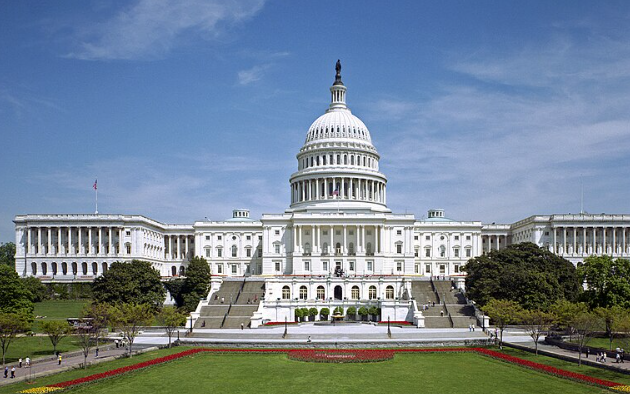
The investigation expanded beyond state election agencies after authorities learned that suspicious letters had also been addressed to congressional offices.
The Senate Sergeant at Arms issued a security notice Thursday warning employees about potentially hazardous mail.
According to The Associated Press, the notice confirmed that federal investigators were working to intercept additional letters before they reached their intended recipients.
At least six Democratic Senate offices were among those targeted, CBS News reported.
Senate Minority Leader Chuck Schumer was among the lawmakers whose offices received or were addressed in the suspicious mailings.
Other reported targets included senators Alex Padilla, Chris Murphy, Kirsten Gillibrand and Lisa Blunt Rochester.
Authorities have not established why particular lawmakers were selected or whether the mailings were intended to advance a political objective.
The House of Representatives was also monitoring the situation, although initial information suggested that the congressional incidents primarily involved Senate offices.
Federal investigators are examining whether the letters share identifying characteristics that could help establish their origin.
FBI Seeks to Identify Those Responsible
The FBI confirmed that it was investigating suspicious mailings sent to multiple addresses nationwide, including offices responsible for overseeing elections.
The bureau said it was coordinating with the Postal Inspection Service and other law enforcement partners to respond to individual incidents.
Investigators are also attempting to identify the person or people responsible for sending the envelopes.
Postal inspectors have already prevented some suspicious packages from reaching their destinations.
Deputy Postal Inspector Brendan Donahue said authorities were working to identify those responsible and protect election officials from threats.
The Senate security notice advised employees to treat suspicious correspondence as potentially hazardous until it had been examined.
Warning signs included powder escaping from envelopes, unusual discoloration and postmarks inconsistent with the listed return address.
The guidance instructed staff members not to handle questionable packages and to leave the immediate area when suspicious materials were discovered.
These precautions are intended to reduce possible exposure while allowing trained personnel to assess the situation.
Questions Surround Return Address
One image circulated in a Senate security communication showed an envelope bearing a New York City return address and the letters "DSA."
Those initials are also used by the Democratic Socialists of America, a political organization.
However, investigators have not established that the organization was involved in sending the mailings.
A return address printed on an envelope does not establish the identity of its sender. Such information can be false or deliberately misleading.
Reporting about the address indicated that the organization had not operated from the listed location for years.
Authorities have not announced an official finding connecting the mailings to any political organization or movement.
The investigation therefore remains focused on identifying the actual senders rather than treating an unverified return address as proof of responsibility.
Wisconsin Reports Nonhazardous Substance
The suspicious mailings were not limited to Louisiana, Oklahoma and Ohio.
Election authorities in several other states reported receiving comparable correspondence or learning that packages addressed to their offices had been intercepted.
The Wisconsin Elections Commission confirmed that its office received a letter containing white powder.
Testing determined that the material was not hazardous.
Wisconsin elections administrator Meagan Wolfe said the incident would not prevent the commission from carrying out its responsibilities.
The result provided reassurance about that particular package, but it did not establish the contents of every other suspicious mailing.
Investigators must assess individual incidents before determining whether any materials present a health or safety danger.
Previous Incidents Heighten Concerns
The latest mailings resemble incidents that affected election offices during previous election cycles.
In 2023, offices in six states received suspicious letters containing white powder. Some included threatening messages and traces of fentanyl, a powerful synthetic opioid.
Those incidents prompted additional security measures, including efforts by some election offices to obtain naloxone, a medication used to reverse opioid overdoses.
Another series of suspicious mailings affected more than 15 state election offices in 2024.
The previous cases demonstrate why election administrators take unexpected powders and threatening correspondence seriously.
However, there is no confirmed evidence that the people responsible for earlier incidents are connected to the October 2026 investigation.
The presence of white powder also does not establish that a package contains a dangerous substance.
Testing and forensic examination are necessary to determine the contents and assess possible criminal activity.
Election Officials Condemn Threats
The National Association of Secretaries of State and the National Association of State Election Directors issued a joint statement condemning threats directed at election personnel.
The organizations emphasized that election workers should be able to perform their duties without fearing for their personal safety.
Election administrators are responsible for coordinating complex operations involving ballots, voting equipment, staffing and the reporting of results.
Threats and security incidents can disrupt that work even when no physical injuries occur.
The organizations said election officials would continue cooperating with law enforcement agencies to protect staff and facilities.
With the November 3 elections approaching, authorities are concentrating on identifying the sender or senders and intercepting additional suspicious mail.
The FBI has not announced arrests or publicly identified suspects in connection with the nationwide mailings.
Investigators must still determine whether the incidents were coordinated, what the remaining substances contain and whether the letters were intended to intimidate election officials or lawmakers.
For now, election offices and congressional staff are operating under heightened precautions while federal authorities continue their investigation.