

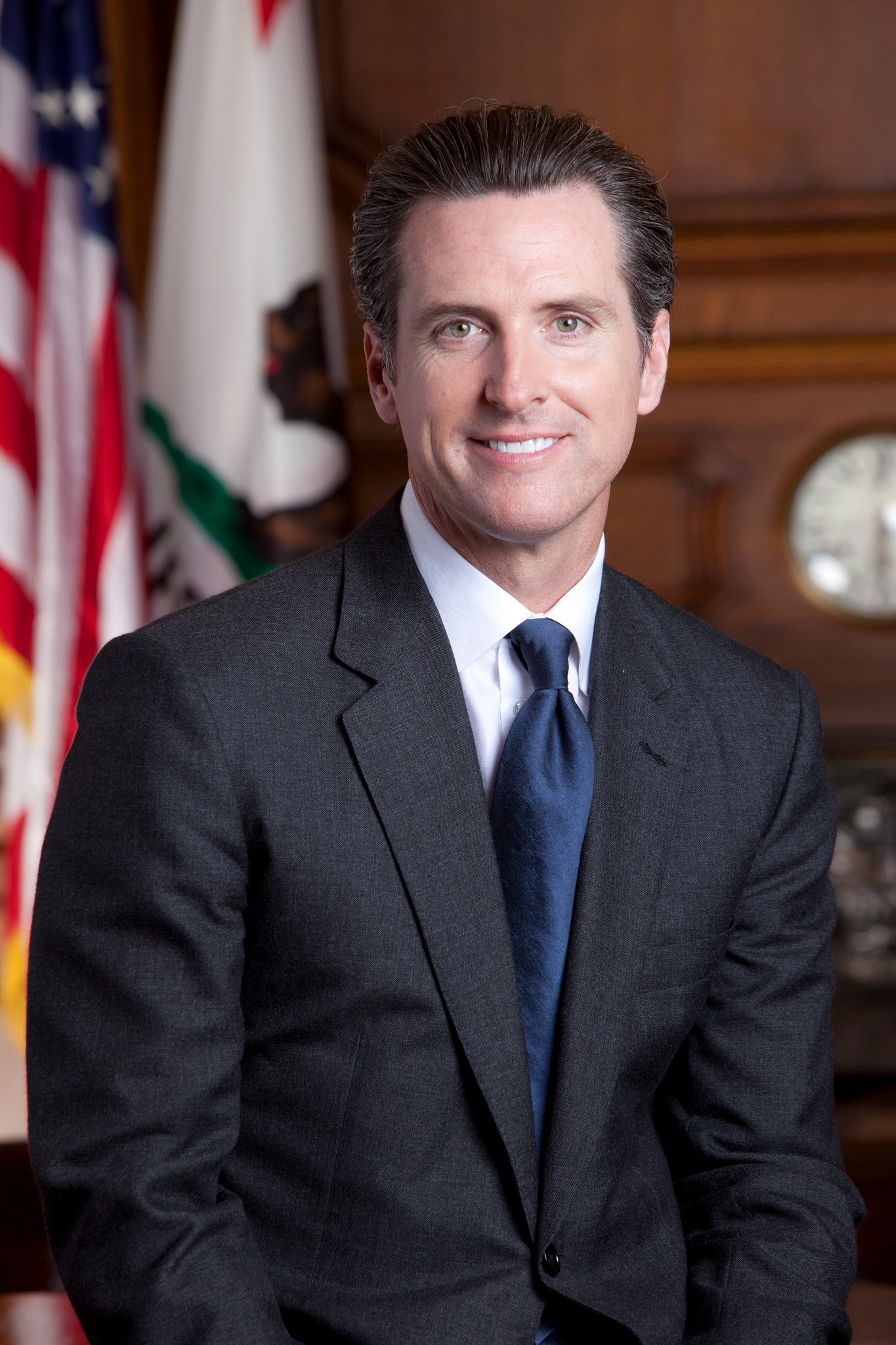
California Governor Gavin Newsom announced Thursday, November 5, 2026, that he is moving to commute the death sentences of all 548 prisoners currently facing execution in the state. Their sentences would be changed to life imprisonment without the possibility of parole, although hundreds of cases require approval from the California Supreme Court. The decision represents the largest mass commutation of death sentences in United States history.
The announcement comes as Newsom prepares to leave office in January after serving two terms as governor. California has not executed a prisoner since 2006, but it still maintains the largest death row population in the country. Newsom's decision would remove the threat of execution for those prisoners without overturning their convictions.
Newsom Explains His Decision to End Death Sentences
In an open letter to Californians, Newsom explained that his opposition to capital punishment developed throughout nearly three decades in public office. He argued that the government cannot administer executions fairly while maintaining its commitment to justice and human dignity.
The governor wrote that he believes state-sanctioned killing is incompatible with California's values. He also acknowledged that his decision could bring renewed pain to families whose loved ones were murdered.
Newsom emphasized that the responsibility for granting clemency belongs to him. He said he would bear responsibility for the commutations just as he would for any executions carried out under his administration.
The governor considered reducing only some death sentences but ultimately rejected that approach. He argued that selecting certain prisoners for clemency would create distinctions among murder victims and their families.
The announcement follows years of opposition to capital punishment from Newsom, who imposed a statewide execution moratorium shortly after taking office in 2019. His administration also dismantled the execution chamber at San Quentin State Prison and ended the state's lethal injection protocol.
California Supreme Court Must Approve Hundreds of Cases
Although Newsom has the constitutional authority to commute sentences, his decision cannot immediately take effect for every prisoner. California law requires additional judicial approval when a person has been convicted of a felony more than once.
Under the state Constitution, at least four of the seven California Supreme Court justices must recommend clemency in those cases. The requirement creates an important legal obstacle to completing the mass commutation.
According to figures released by Newsom's office and reported by the Associated Press, 382 of the 548 commutations require Supreme Court approval. That represents nearly 70% of the prisoners affected by the announcement.
The remaining cases fall within the governor's direct clemency authority, subject to applicable procedures. The court's decisions will determine how many of the proposed sentence changes ultimately become effective.
Commutation also differs from a pardon. The prisoners would remain convicted of their crimes and continue serving sentences that prevent them from being released on parole.
California's death penalty statute would remain in place even after all the commutations were completed. Prosecutors could still seek death sentences in eligible future cases unless lawmakers or voters change the law.
Victims' Families and Prosecutors Criticize the Move
Newsom's announcement drew criticism from victims' rights organizations and prosecutors who argued that the decision disregards the judgments of juries and courts. Some families have spent decades participating in legal proceedings involving the people convicted of killing their loved ones.
Patricia Wenskunas, founder of the California nonprofit Crime Survivors, condemned the announcement. She expressed concern for victims' relatives and described the sweeping clemency decision as deeply upsetting.
The California District Attorneys Association had also warned Newsom against granting mass commutations. In a letter issued before the announcement, association President Jeannine Pacioni argued that each death sentence resulted from an individual legal process.
Opponents maintain that a governor should not replace those judgments with a blanket decision based on personal opposition to capital punishment. They also argue that the state should consider the experiences and wishes of victims' families before changing sentences.
Supporters of the commutations offer a different assessment. They argue that executions are costly, irreversible and vulnerable to mistakes within the criminal justice system.
The American Civil Liberties Union welcomed the announcement, pointing to longstanding concerns about racial disparities and wrongful convictions. Its executive director, Anthony Romero, described the decision as an important step toward ending capital punishment.
The competing responses reflect a debate that has continued for decades in California. While some residents believe execution is justified for particularly serious crimes, others question whether government institutions should have the authority to take a person's life.
California Has Not Executed Anyone Since 2006
California's last execution took place on January 17, 2006, when Clarence Ray Allen was put to death at San Quentin State Prison. The state has not carried out another execution in the two decades since.
Voters reinstated capital punishment in 1978, and California subsequently executed 13 prisoners. The death penalty remained legally available even as court challenges and disputes over execution procedures effectively halted its use.
Newsom formally suspended executions in March 2019. The moratorium prevented executions during his administration but did not eliminate death sentences or prevent courts from imposing new ones.
California voters previously rejected efforts to abolish the death penalty. In 2012, Proposition 34 failed, and in 2016, voters rejected Proposition 62 while approving Proposition 66, which sought to accelerate death penalty appeals.
Those election results became a major point of disagreement following Newsom's announcement. Critics argued that voters had repeatedly chosen to retain capital punishment, while supporters emphasized the governor's independent constitutional clemency powers.
The state's death row has also changed physically in recent years. Prison officials transferred condemned male prisoners from San Quentin to other correctional facilities as part of a broader restructuring program.
Women under death sentences were also moved into the general prison population at the Central California Women's Facility. These changes ended much of the traditional system of separating condemned prisoners from other inmates.
Financial Costs and Legal Appeals Remain Important
California's death penalty system has long faced criticism over its expense. Capital cases often require lengthy trials, specialized legal representation and decades of appeals before a sentence can be carried out.
Those proceedings generate substantial costs for taxpayers, even when executions never occur. Supporters of the commutations argue that replacing death sentences with life imprisonment could reduce future spending on capital appeals and related litigation.
However, the exact savings will depend on how individual cases proceed through the courts. Legal challenges involving convictions, prison conditions and other issues may continue regardless of the new sentences.
The financial debate also involves the cost of incarcerating people for the remainder of their lives. California would still be responsible for housing and providing medical care to prisoners whose death sentences are commuted.
For families of murder victims, financial considerations are often secondary to questions of punishment and accountability. Some oppose continued appeals, while others view the death penalty as an important part of the justice system.
Xavier Becerra Prepares to Take Office
The announcement comes two days after Democrat Xavier Becerra won California's gubernatorial election against Republican Steve Hilton. Becerra, a former California attorney general and federal health secretary, is scheduled to succeed Newsom in January 2027.
Becerra has said he intends to continue California's moratorium on executions. His position suggests that the state will maintain its current policy of not carrying out death sentences after Newsom leaves office.
The decision also comes as Newsom considers whether to seek the Democratic presidential nomination in 2028. His handling of capital punishment could become part of the national debate surrounding his political record.
Other Democratic leaders have taken similar steps, although on a smaller scale. In December 2024, President Joe Biden commuted the federal death sentences of 37 prisoners to life imprisonment without parole.
Oregon Governor Kate Brown also granted broad death penalty commutations in 2022. Colorado Governor Jared Polis commuted the sentences of the state's remaining death row prisoners in 2020.
Newsom's action stands apart because of California's much larger condemned population. The state's 548 prisoners represent more than one-quarter of the people facing execution across the United States.
The next major step belongs to the California Supreme Court, which must review hundreds of the proposed commutations. Until those cases receive the required approval, the legal status of many prisoners will remain unchanged despite Newsom's announcement.