

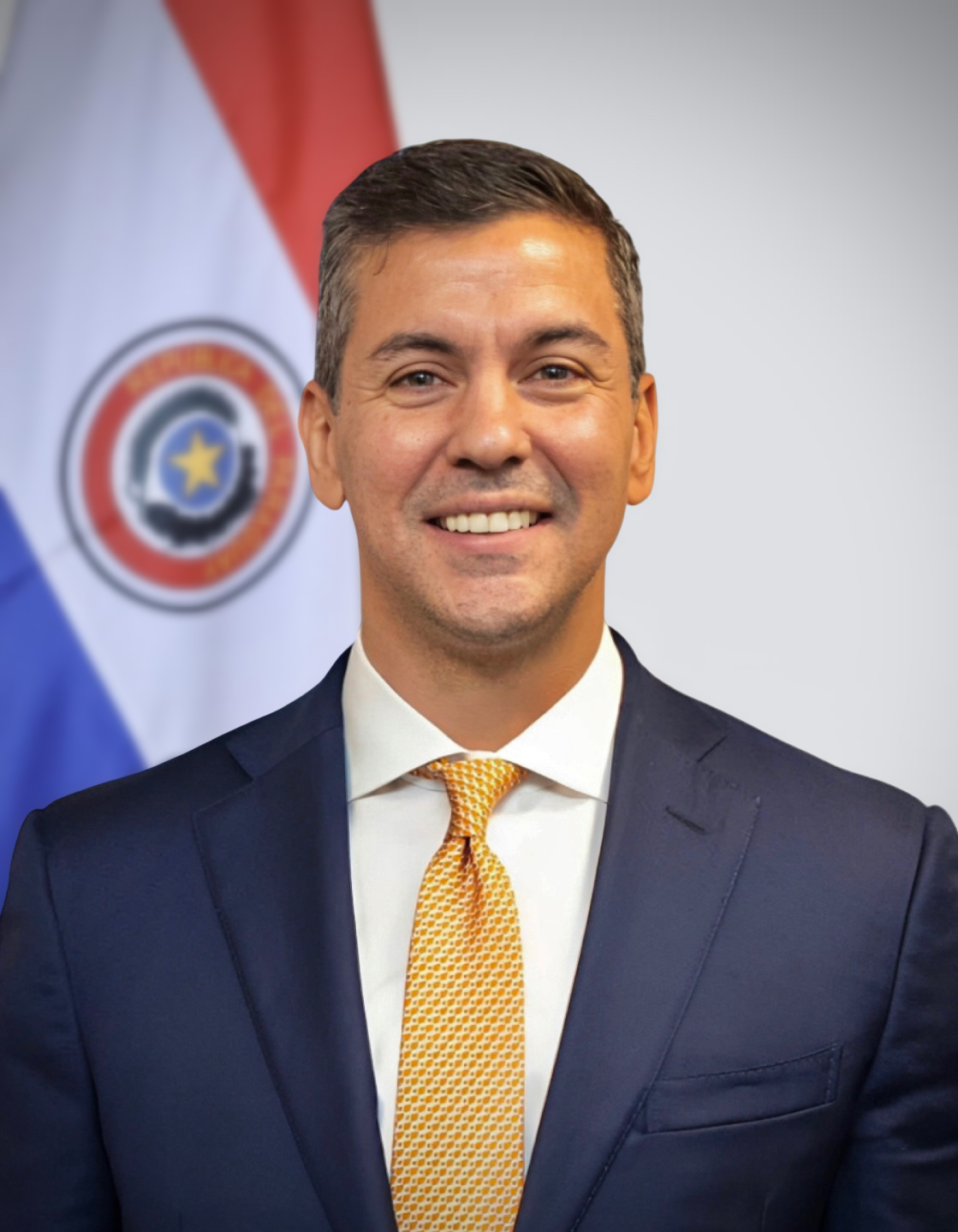
Paraguayan President Santiago Peña offered his resignation on Thursday, November 5, 2026, as a banking crisis triggered nationwide protests and threatened his political future. The collapse of Ueno Bank, one of Paraguay's largest digital lenders, left millions of customers unable to access their accounts and raised serious questions about government oversight. However, lawmakers refused to accept Peña's resignation, leaving him facing impeachment proceedings and a criminal investigation.
The political crisis intensified when Paraguay's lower house of Congress voted unanimously to impeach Peña shortly after his resignation announcement. The Senate decided to pursue a trial that could remove him from office, while prosecutors opened investigations into the bank's failure and the handling of public funds.
Congress Rejects Peña's Resignation
Peña announced his decision to step down in a video published Thursday, explaining that he wanted to protect the country's stability and democratic institutions. His announcement followed several days of public demonstrations and growing opposition within his own Colorado Party.
The president expressed regret over the crisis but did not acknowledge personal responsibility for the bank's collapse. He apologized to Paraguayans who felt disappointed by his administration and said he would respect the country's constitutional process.
According to the Associated Press, both chambers of Congress declined to accept Peña's resignation. Opposition lawmakers argued that allowing him to leave voluntarily could preserve his eligibility for a lifetime Senate seat and provide legal protections that might complicate future prosecution.
The lower house unanimously approved impeachment proceedings, sending the political dispute to the Senate. If senators vote to remove Peña, Vice President Pedro Alliana would become president under Paraguay's constitutional succession rules.
The developments represent a dramatic reversal for Peña, who took office in August 2023. A former International Monetary Fund economist, he had enjoyed substantial support from Paraguay's long-dominant Colorado Party until the financial crisis fractured those political alliances.
Ueno Bank Collapse Freezes Millions of Accounts
Ueno Bank expanded rapidly after developing its digital banking operations in 2021. The institution attracted customers with convenient mobile services, cash-back promotions and other financial products designed to appeal to younger consumers.
The lender eventually claimed approximately three million customers, representing more than 60% of Paraguay's adult population. Its growth made it one of the country's most recognizable financial institutions and gave it an important role in everyday banking.
That expansion came to an abrupt halt when Paraguay's central bank intervened following an investigation into Ueno's financial condition. Regulators determined that the bank had fallen far below legally required capital levels, raising concerns about its ability to absorb financial losses.
On November 2, the central bank formally approved the beginning of Ueno's resolution process, announcing the decision publicly the following day. Officials said adjustments to the bank's financial statements revealed that its solvency ratio had dropped below half the legal minimum.
The intervention caused immediate problems for customers. Ueno's mobile application, payment cards and transfer services stopped functioning, while branches closed and account holders struggled to access their savings.
Long lines formed outside bank locations as worried customers sought information about their money. Other financial institutions also experienced technical disruptions as people attempted to open replacement accounts and transfer their banking activities elsewhere.
Questions Grow Over Government Connections
The failure attracted particular attention because of Peña's previous financial connections to a business group associated with Ueno Bank. Reuters reported that Peña had owned shares in Grupo Vázquez, which was connected to the lender, before selling his stake in March 2025.
Peña has denied having an improper relationship with Ueno or personally investing in the bank. The lender has also maintained that he was never a direct shareholder or investor in the financial institution.
Questions about potential conflicts of interest intensified because Carlos Carvallo, a former leader of Financiera Ueno, later became president of Paraguay's central bank under Peña. Carvallo resigned after regulators placed Ueno into resolution.
The central bank has denied that Carvallo's earlier employment created an improper conflict, stating that he recused himself from decisions involving the lender. Nevertheless, his appointment became a central issue in the growing political dispute.
Ueno also held substantial government money, including deposits belonging to public pension and health institutions. The bank reportedly managed approximately $800 million to $850 million in public funds before its collapse, raising concerns about the security of taxpayer-supported accounts.
Opposition lawmakers have accused Peña's administration of conflicts of interest, improper handling of pension money and concealing banking problems. These allegations remain under investigation, and Peña has denied wrongdoing.
Investigators Examine Risky Loans and Banking Practices
Financial regulators had identified serious problems involving Ueno's lending activities before the intervention. Investigators examined loans made to businesses connected to the bank's owners, including transactions that allegedly exceeded legal lending limits or lacked adequate collateral.
Inspectors also discovered expenses that had been incorrectly recorded as assets, according to reporting on the regulatory investigation. Correcting those accounting problems substantially weakened the bank's reported financial position.
The central bank ultimately determined that Ueno no longer satisfied the financial requirements necessary to continue operating normally. Regulators began procedures intended to preserve recoverable assets and protect depositors while addressing the failed institution.
Criminal investigations have expanded beyond the bank's financial statements. Paraguay's attorney general ordered three inquiries examining regulatory oversight, the handling of the collapse and government funds deposited with Ueno.
Prosecutors have charged 27 bank officials and associates with offenses including breach of trust and attempted fraud. A judge ordered six executives jailed pending trial and placed two others under house arrest.
Among those detained were Ueno founder Miguel Vázquez and bank president Juan Manuel Gustale. Defense lawyers have challenged allegations against some executives, arguing that senior management did not personally approve individual lending decisions.
The investigations are continuing, and the charges against the bank's officials have not been established as criminal convictions.
Government Begins Repaying Depositors
Paraguay's central bank has started implementing measures to return insured deposits to customers affected by Ueno's collapse. Officials have emphasized that protecting account holders is a priority while the institution moves through the resolution process.
Under Paraguay's deposit insurance system, eligible accounts are protected up to 228.3 million guaraníes per depositor at each financial institution. The central bank estimates that approximately 97% of Ueno customers should have their balances fully covered by the guarantee.
A November 5 announcement established initial payments for eligible depositors holding up to 10 million guaraníes, provided they met specific requirements. Officials said subsequent groups would receive instructions as the repayment process progressed.
The bank's failure has also affected employment. Paraguay's Labor Ministry estimated that approximately 7,000 direct and indirect jobs were connected to Ueno and its related businesses.
Employees joined public demonstrations demanding unpaid wages and compensation. The central bank's intervention team said it was working to arrange payments for affected workers as part of the resolution process.
Protests Put Pressure on Paraguay's Leadership
Thousands of people demonstrated in Asunción as anger spread over inaccessible savings, government connections to the bank and concerns about financial oversight. Protesters gathered near Congress and confronted police during several days of demonstrations.
Many demanded accountability from both political leaders and banking executives. Their complaints reflected fears that public institutions had failed to recognize or address financial problems before Ueno became deeply embedded in the country's banking system.
The crisis has also raised concerns about confidence in other Paraguayan banks. Regulators insist that Ueno's failure represents a problem involving one institution rather than evidence of widespread instability throughout the financial system.
For Peña, the immediate challenge is no longer limited to public criticism. He faces a Senate impeachment trial while prosecutors investigate whether government officials violated the law in supervising Ueno and directing public deposits.
The Senate proceedings are expected to determine whether Peña remains in office or is removed through impeachment. Meanwhile, Paraguay's banking authorities must continue reimbursing depositors and recovering assets, leaving the financial and political consequences of Ueno's collapse unresolved.