

A wave of bomb threats disrupted air travel across Europe on Thursday, November 5, 2026, forcing several passenger flights to divert and prompting military fighter jets to escort aircraft. About 20 commercial flights were targeted during the day, bringing the number of reported threats throughout the week to more than 20. All affected aircraft landed safely, and security teams found no explosives.
The alerts involved flights operating across France, Italy, Bulgaria, Poland, Austria and several other European countries. Although authorities described the warnings as hoaxes, the unusually large number of incidents raised concerns about aviation security and possible attempts to disrupt European transportation networks.
Aer Lingus Flight Diverted to French Military Base
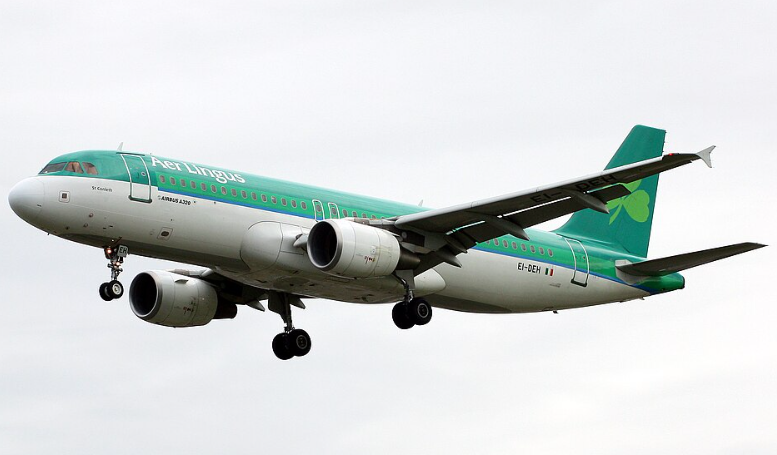
One of the most serious incidents involved an Aer Lingus flight traveling from Dublin, Ireland, to Rome, Italy. The aircraft was diverted to the Évreux military air base in Normandy after authorities received information about a possible bomb on board.
The plane was carrying 151 passengers and six crew members when the warning was received. French fighter jets intercepted the aircraft and escorted it to the military installation approximately 60 miles west of Paris.
French Prime Minister Sébastien Lecornu ordered the interception after authorities reported difficulties communicating their instructions to the flight crew. His office said the pilot had not cooperated as expected during the emergency response.
Regional prosecutor Rémi Coutin said the pilot allegedly preferred landing at a civilian airport rather than the designated military base. Aer Lingus disputed suggestions that its crew failed to cooperate, stating that the airline and pilots followed the instructions of French authorities.
The aircraft landed safely, and passengers were taken to a secure location while military bomb disposal specialists examined the plane. Investigators also questioned members of the flight crew about the circumstances surrounding the diversion.
French aviation security authorities opened an investigation into the incident. The bomb warning was ultimately determined to be false, but the diversion caused significant disruption for travelers who had expected to arrive in Rome.
Italian Fighter Jets Escort Finnair Aircraft
Italy also responded with military aircraft after an anonymous email warned of an explosive device aboard a Finnair flight from Helsinki to Rome. Italian Air Force fighter jets escorted the passenger aircraft as it approached Leonardo da Vinci-Fiumicino Airport.
The flight landed safely at approximately 9:30 a.m. local time. Police bomb disposal experts subsequently inspected the aircraft and found no explosive materials or other suspicious objects.
Finnair confirmed that two of its flights had received unfounded bomb warnings. The second involved a Helsinki-to-Vienna service operated by Jettime, which also landed safely and underwent security checks.
The airline said it follows established procedures when receiving potential security threats. Those procedures include coordinating with aviation authorities, assessing the credibility of warnings and ensuring that passengers and crews remain safe.
Italian authorities had already responded to similar incidents earlier in the week. The repeated alerts placed additional demands on airport security teams and military personnel responsible for protecting civilian air traffic.
Three Ryanair Flights Receive Military Escorts
Bulgaria experienced another series of disruptions when three Ryanair flights heading to Sofia received bomb threats. The aircraft had departed from Madrid, Copenhagen and London Stansted Airport.
Bulgarian fighter jets escorted all three aircraft after authorities activated emergency security procedures. The flights from Madrid and Copenhagen landed safely at Sofia's Vasil Levski Airport.
The third aircraft, which had departed London Stansted, was diverted to Plovdiv Airport in southern Bulgaria. Airport officials confirmed that the plane landed safely and that passengers were not injured.
Bulgarian authorities searched the aircraft after landing and found no explosive devices. The country's Defense Ministry said military interception missions are designed to identify aircraft, establish their status and provide escorts when necessary.
Ryanair had already been affected by multiple false warnings earlier in the week. The repeated incidents made the airline one of the most frequently targeted carriers during the broader disruption.
Bomb Threats Spread to Other European Airports
The security alerts extended well beyond the flights receiving military escorts. Wizz Air, LOT Polish Airlines, Air Serbia and several other carriers reported threats involving aircraft traveling between European cities.
A Wizz Air flight from Milan to Warsaw diverted to Vienna after Polish authorities received a threatening message. Austrian police inspected the aircraft, found nothing suspicious and allowed the flight to continue.
Another Wizz Air aircraft traveling from Milan to Bucharest landed safely at its intended destination. Romanian authorities examined the plane and reported that no explosive device had been discovered.
In the Czech Republic, police prepared for the arrival of four aircraft after receiving anonymous warnings about possible explosives. All four planes landed safely in Prague, where security searches found no dangerous materials.
A LOT Polish Airlines flight from Warsaw to Brussels also underwent an inspection after arriving at its destination. Authorities found no hazardous objects, and the airline confirmed that the warning did not represent a genuine threat.
The latest incidents followed earlier scares on November 2 and 3, including a Wizz Air flight traveling from London to Sofia that diverted to Budapest. Hungarian military aircraft escorted that flight, and the subsequent inspection found no bomb.
Investigators Examine Possible Links Between Threats
European investigators are examining whether the incidents were organized by the same individual or group. Some warnings were delivered through anonymous emails containing similar language, raising suspicions that at least some messages could share a common source.
According to the Associated Press, messages sent to airports in different countries claimed to come from an anti-feminist organization. Some contained comparable wording, although officials could not establish whether the same sender was responsible.
Agence France-Presse reported that several messages identified their senders as members of a group called Male State. A far-right movement with that name has operated in Russia, but investigators have not confirmed any connection between the movement and the aviation threats.
The possibility of foreign involvement has attracted attention because European governments have warned about sabotage, cyberattacks and other disruptive activities linked to geopolitical tensions. However, no government or organization has been publicly identified as responsible for the latest bomb warnings.
European Union Transport Commissioner Apostolos Tzitzikostas cautioned that investigators did not yet have enough evidence to determine whether the incidents were connected. National investigations remain underway, and European aviation authorities have activated mechanisms for sharing security information.
The distinction is important because similarities between threats do not necessarily establish coordination. Investigators must determine who sent the messages, whether the senders communicated with one another and what they intended to accomplish.
False Alarms Create Serious Costs for Airlines
Even when bomb threats turn out to be false, airlines and airports must take precautions to protect passengers. Aviation security teams evaluate warnings and decide whether aircraft should continue flying, divert or undergo searches after landing.
Military escorts can provide additional protection when officials need to identify an aircraft or direct it toward a secure airport. Such operations also require military resources and coordination between civilian air traffic controllers and defense authorities.
Philip Baum, an aviation security expert at Coventry University in England, told the Associated Press that a single serious disruption could cost an airline as much as $250,000. Expenses can include additional fuel, replacement crews, passenger accommodations and missed connections.
The effects can extend beyond the aircraft directly targeted. When crews exceed permitted working hours or planes become unavailable, airlines may have to delay or cancel subsequent flights.
Despite the widespread attention, the affected aircraft represented a small share of European aviation activity. Approximately 25,072 flights were scheduled across the continent on Thursday, according to figures cited by Agence France-Presse from Eurocontrol.
European Authorities Continue Security Investigations
British Transport Secretary Heidi Alexander described the warnings as malicious hoaxes, emphasizing that the alerts had disrupted passenger services without revealing genuine explosive threats. European authorities nevertheless continued to treat incoming reports seriously.
Security officials are reviewing the messages and investigating the circumstances surrounding the most disruptive incidents. The European Union's aviation security information-sharing system has also been activated to help national authorities exchange relevant findings.
For airlines, the immediate priority remains protecting passengers while limiting unnecessary disruption. Investigators have not publicly identified the people responsible for the threats, and the question of whether the warnings formed part of an organized campaign remains unanswered.