

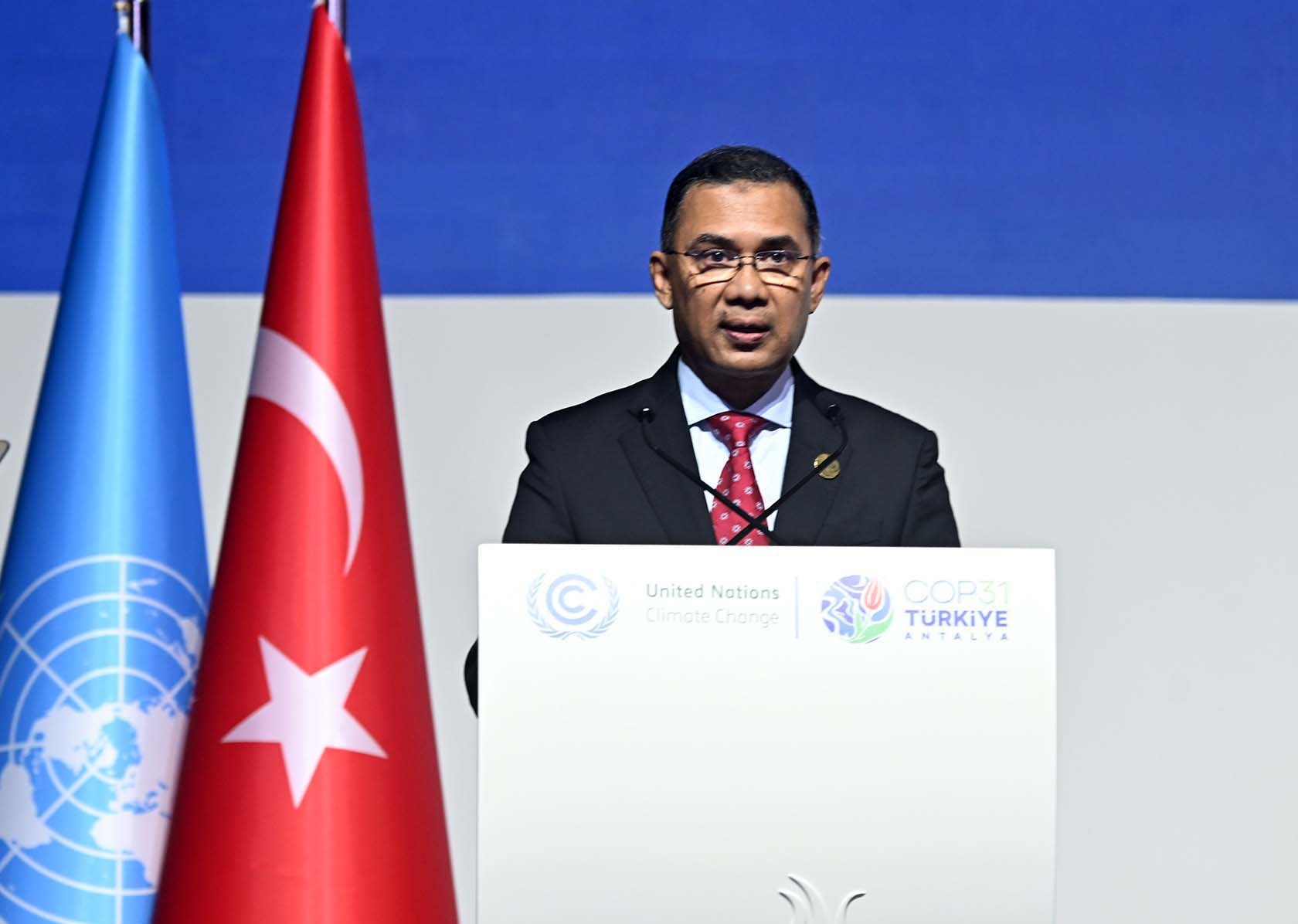
The COP31 United Nations climate summit ended in Antalya, Turkey, on Sunday, November 22, 2026, without an agreement on its main political declaration. Negotiators from nearly 200 countries failed to overcome disagreements about fossil fuels, climate financing and technologies designed to capture carbon dioxide. The breakdown followed two additional days of negotiations beyond the scheduled closing date, leaving governments without a new shared statement outlining their next steps against global warming.
It was the first UN climate summit since 2009 to end without an overarching political agreement. Although delegates approved several technical decisions, they could not reach consensus on the conference's main outcome document, commonly called the cover decision.
The result exposed continuing divisions between countries seeking faster reductions in fossil fuel use and those concerned about economic development, energy security and the financial costs of the transition.
Fossil Fuel Dispute Prevents Agreement
The central disagreement concerned whether the final document should explicitly address coal, oil and natural gas, the primary sources of human-caused global warming.
Earlier drafts included language calling for faster action to phase out fossil fuels and reduce government subsidies supporting their use. However, those provisions disappeared from later versions following opposition from several major fossil fuel-producing countries.
The final proposal did not mention fossil fuels directly, although it referred to previous international climate commitments.
European Union representatives said the omission made the agreement unacceptable.
Ireland's climate minister, Darragh O'Brien, speaking on behalf of the European Union, rejected the proposed document because it did not adequately address the main cause of climate change.
O'Brien argued that accepting a declaration without clear language about fossil fuels would weaken commitments made at earlier climate conferences.
The European Union was joined by the United Kingdom, Norway, Panama, Belize, Vanuatu and the Marshall Islands in opposing the proposed agreement.
Several countries maintained that the summit should build on the 2023 Dubai agreement, when governments formally recognized the need to transition away from fossil fuels in energy systems.
Saudi Arabia Defends Different Approach
Saudi Arabia and other major petroleum-producing countries resisted demands for stronger language about ending fossil fuel use.
Their representatives argued that climate policies should account for differences in national economies, development needs and historical responsibility for greenhouse gas emissions.
Saudi negotiators also defended carbon capture, utilization and storage technologies as potential tools for reducing emissions.
These systems are designed to capture carbon dioxide from industrial processes or other sources before it enters the atmosphere. Some approaches also seek to remove carbon dioxide already present in the air.
Supporters argue that the technology could help reduce emissions from industries that are difficult to operate without fossil fuels.
Critics question whether large-scale carbon capture can become affordable and effective quickly enough. Environmental groups also warn that relying too heavily on the technology could delay reductions in fossil fuel production and consumption.
The proposed COP31 agreement included ambitious carbon capture goals, but several countries objected to giving the technology special attention without a stronger plan to reduce emissions at their source.
Developing Countries Demand More Climate Financing
Financial support for poorer countries was another major obstacle.
Developing nations argued that wealthier countries should provide more reliable funding to help vulnerable communities prepare for droughts, floods, extreme heat and rising sea levels.
Many developing economies have contributed relatively little to historical greenhouse gas emissions but face substantial climate-related costs.
Negotiators discussed increasing adaptation financing, which supports infrastructure improvements, disaster preparedness and other measures intended to reduce climate damage.
An earlier draft called for efforts to at least triple adaptation financing by 2035 and included a proposed target of $120 billion.
That figure disappeared from the final version. Instead, negotiators proposed further discussions about how to achieve increased financing.
Representatives from vulnerable countries said the weaker language offered too little certainty about when funding would become available.
The disagreement also extended to financial assistance for loss and damage, which helps countries respond to climate-related destruction that cannot be prevented through adaptation.
A dedicated international loss and damage fund was established at COP27 in Egypt in 2022, but questions remain about how much money contributors will provide and whether those resources can meet growing needs.
Pacific Island Nations Warn of Rising Risks
Pacific island countries were among the strongest opponents of the final proposal.
For low-lying island nations, rising sea levels, coastal erosion and stronger climate-related hazards threaten homes, infrastructure and economic security.
Representatives from Vanuatu and the Marshall Islands argued that a global climate agreement should address the emissions driving those risks.
Their objections reflected broader concerns among countries that face serious consequences from warming temperatures despite contributing relatively small amounts to global emissions.
Panama also challenged the proposed agreement, urging countries with greater historical responsibility for greenhouse gas emissions to accept a larger share of the costs.
The disagreement demonstrated how differently governments view the responsibilities involved in addressing climate change.
Wealthier countries face demands to reduce emissions and finance adaptation, while developing nations are seeking support that allows them to strengthen their economies without taking on unsustainable costs.
COP31 Leadership Acknowledges Negotiations Failed
Turkey's environment minister, Murat Kurum, served as COP31 president, while Australia's climate and energy minister, Chris Bowen, oversaw negotiations as part of the conference's shared leadership arrangement.
Both officials worked through successive versions of the proposed agreement as delegates tried to resolve their differences.
At Sunday's closing session, Kurum acknowledged that the final proposal lacked the support needed for adoption.
Under UN climate conference procedures, major decisions are adopted by consensus rather than a simple majority vote.
That means strong objections from participating governments can prevent a proposed agreement from being approved.
Bowen attributed the breakdown to conflicting national positions that negotiators could not reconcile. He also pointed to the difficult international political environment surrounding the conference.
UN Secretary-General António Guterres expressed disappointment with the outcome, emphasizing that the failure to reach an agreement did not change the scientific evidence about climate change.
The summit took place amid continuing international conflicts, economic pressures and disagreements over energy policy.
The United States did not send an official delegation for the second consecutive year, following the Trump administration's decision to withdraw from the Paris climate agreement.
Some Climate Initiatives Move Forward
Despite the failure to adopt the main declaration, COP31 did not end without any achievements.
Delegates approved several technical agenda items, allowing work on existing international climate programs to continue.
One initiative that attracted broad support was the voluntary 35-by-35 Global Electrification Pledge.
At least 75 countries backed the effort, which aims to increase electricity's share of worldwide energy consumption to 35 percent by 2035.
The pledge is intended to encourage wider use of electricity in transportation, buildings and industry, particularly where cleaner power can replace fossil fuel combustion.
However, voluntary commitments are not the same as binding international requirements. Their impact will depend on whether participating countries adopt policies and investments that achieve the stated goals.
The absence of a broader agreement also means the summit did not establish a new collective pathway for addressing the disputes over fossil fuels and climate financing.
What the Failed Agreement Means for Climate Action
The breakdown comes nearly three years after COP28 in Dubai produced a landmark statement calling for a transition away from fossil fuels in energy systems.
That agreement was widely regarded as an important development because earlier climate negotiations had struggled to directly address the energy sources responsible for most greenhouse gas emissions.
COP31 demonstrated that countries remain divided over how quickly that transition should occur and who should finance it.
The failure does not cancel the Paris Agreement or existing national climate commitments. Governments remain responsible for implementing their own emissions targets and participating in established international climate processes.
However, the absence of a new political agreement leaves major questions unresolved as global temperatures continue rising.
Scientists warn that the world is approaching or exceeding important warming thresholds, increasing the risks of extreme weather, ecosystem damage and economic disruption.
Negotiators will now have to determine how to continue discussions on fossil fuel reductions, adaptation funding and carbon removal technologies through future international meetings.
For countries facing immediate climate threats, the most pressing issue remains whether governments can turn existing commitments into measurable action before the next annual summit.