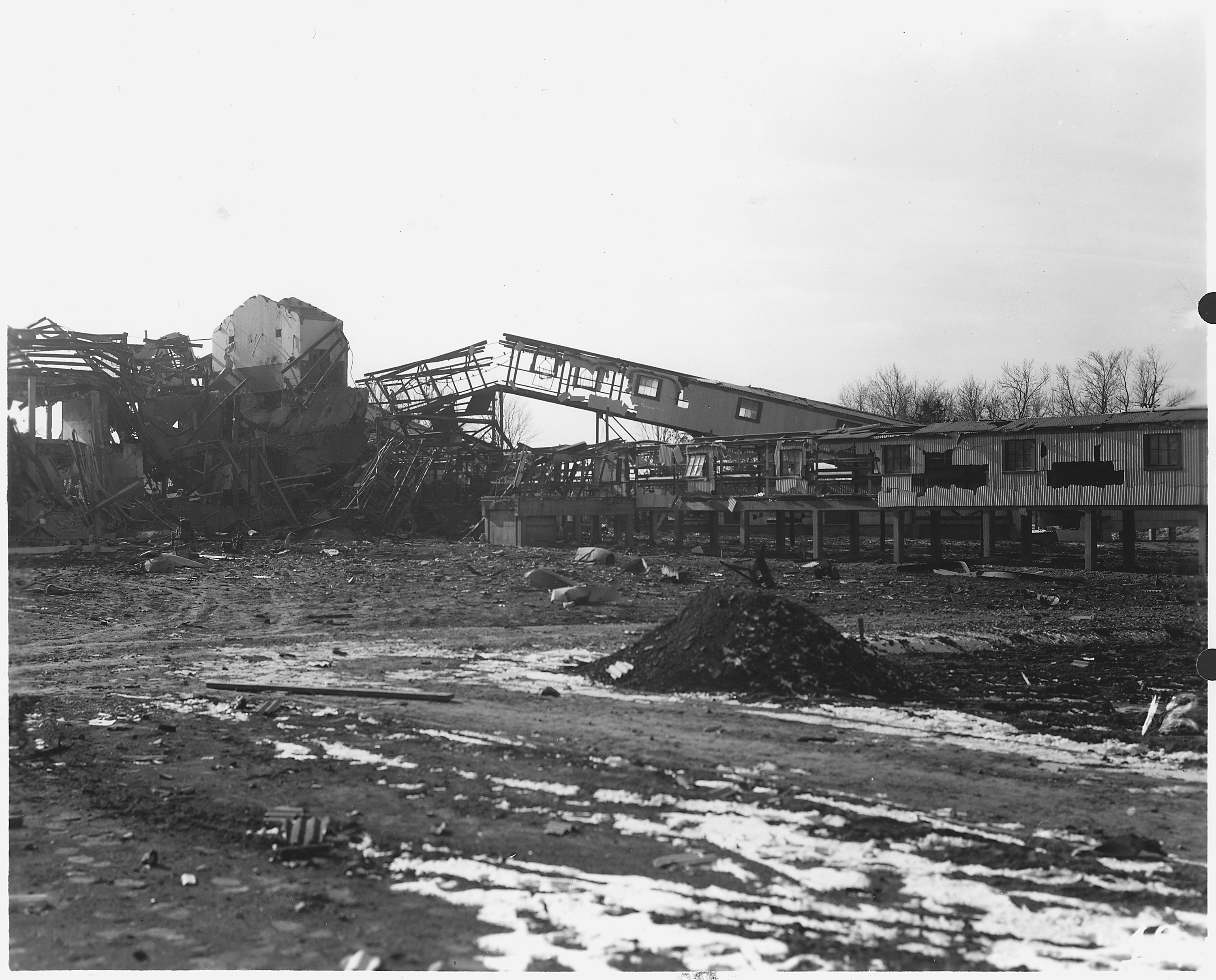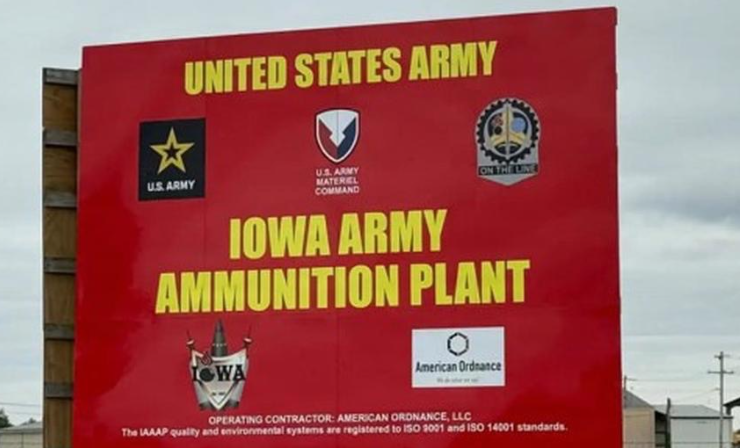
The U.S. Army destroyed nearly five tons of unstable lead azide in a controlled explosion at the Iowa Army Ammunition Plant near Middletown on Wednesday, November 25, 2026. Federal officials reported that initial air monitoring detected no airborne lead in surrounding communities.
The operation followed months of safety assessments, public opposition, legal challenges and repeated postponements. Military officials determined that leaving the deteriorating stockpile in storage presented an unacceptable risk of an accidental explosion.
By Wednesday evening, federal emergency management officials had lifted shelter-in-place restrictions, allowing area residents to resume their normal activities. Environmental testing will continue to determine whether the explosion caused contamination beyond the military facility.
Army Officials Declare Operation Successful
The Army confirmed that the controlled detonation destroyed the entire stockpile of degraded lead azide stored at the facility.
Maj. Gen. Eric Shirley, commanding general of the U.S. Army Sustainment Command, described the operation as a significant success during a news conference following the explosion.
A visible plume rose above the ammunition plant, but military officials said the protective measures appeared to have substantially limited the release of lead particles.
The Environmental Protection Agency had positioned monitoring equipment throughout the surrounding region before the operation. The equipment continued collecting information during and after the explosion.
In a statement issued approximately one hour after the detonation, the EPA reported that none of its real-time air monitors had detected airborne lead.
The findings provided some reassurance to residents who had expressed concerns about potentially hazardous dust reaching their homes, farms and businesses.
However, the initial readings do not establish that every surrounding location is free of contamination. Additional laboratory testing will provide a more complete assessment of the environmental effects.
Why the Army Destroyed the Stockpile
Military officials discovered earlier this year that the aging explosive material had deteriorated to a dangerous condition.
Lead azide is an explosive compound historically used in military ammunition. Its deterioration created concerns about the possibility of an unintended explosion during handling or continued storage.
Federal specialists spent months evaluating disposal alternatives. The Army determined that transporting the unstable material would present substantial risks to military personnel and nearby communities.
Officials ultimately selected a controlled detonation at the existing storage facility. The decision was supported by specialists from several federal agencies.
The Army incorporated extensive protective measures intended to limit the movement of hazardous particles into the surrounding environment.
Officials also coordinated with environmental scientists, emergency management personnel and public health specialists to prepare for potential problems.
Evacuation Recommendations Disrupted Thanksgiving Plans
Residents of Middletown and portions of the surrounding area were encouraged to temporarily leave their homes before Wednesday's operation.
The Federal Emergency Management Agency provided assistance with transportation, temporary accommodation, meals and other essential supplies.
Authorities placed particular emphasis on protecting pregnant women, young children and people with chronic health conditions.
Iowa Gov. Kim Reynolds issued a disaster emergency proclamation to support the response. Members of the Iowa National Guard were also assigned to assist with evacuation efforts.
The timing created additional difficulties for families preparing for Thanksgiving. Some residents had to change holiday arrangements while awaiting information about when they could safely return home.
Federal authorities announced Wednesday evening that residents could resume normal activities. Officials also indicated that additional environmental and public health information would become available over the following days.
Environmental Groups Challenged the Army's Plans
The proposed detonation faced opposition from environmental organizations concerned about possible lead contamination.
The Iowa Environmental Council and the Sierra Club's Iowa chapter sought emergency legal action to prevent the explosion from proceeding.
The organizations argued that airborne particles could spread beyond the ammunition plant and potentially affect communities across a substantial geographic area.
The U.S. Court of Appeals for the Eighth Circuit temporarily halted the operation while considering the emergency request.
The court subsequently lifted the temporary restriction, acknowledging both the risks associated with the planned explosion and the danger posed by an accidental detonation.
Following the decision, the environmental groups indicated that they would not pursue further immediate efforts to block the operation. However, they continued calling for transparency and comprehensive environmental monitoring.
Iowa Gov.-elect Rob Sand also called for clearer communication about how the hazardous stockpile had developed and why federal authorities considered the proposed disposal method necessary.
Health Concerns Surround Potential Lead Exposure
Lead is a toxic metal that can damage several systems within the human body. Children are especially vulnerable because exposure can interfere with brain development, learning and attention.
The Centers for Disease Control and Prevention states that no safe blood lead level has been established for children.
Lead exposure can occur through contaminated dust, soil, water and food. Environmental testing therefore remains important even when air monitoring produces encouraging results.
The Iowa Department of Health and Human Services reported Wednesday that the available evidence suggested a low risk of harmful airborne lead exposure from the explosion.
Health officials will continue reviewing environmental samples before determining whether additional public health recommendations are necessary.
Farmers Receive Encouraging Initial Assessment
Agricultural producers near the ammunition plant had expressed concerns about possible contamination of livestock, animal feed and farmland.
Iowa Secretary of Agriculture Mike Naig said Wednesday that preliminary environmental monitoring did not indicate an expected threat to livestock health or food safety.
The state's agriculture department will continue examining environmental data alongside federal agencies.
Livestock producers seeking additional reassurance were advised to consult their veterinarians about whether lead testing would be appropriate.
The EPA collected approximately 1,200 environmental samples before the explosion to establish baseline conditions. About 300 agency employees and contractors were assigned to the response.
Scientists will compare samples collected after the detonation with earlier measurements to identify any changes attributable to the operation.
Federal authorities have declared the destruction of the unstable explosives successful. The remaining task is to establish whether any hazardous material reached surrounding communities and whether environmental cleanup will be necessary.