

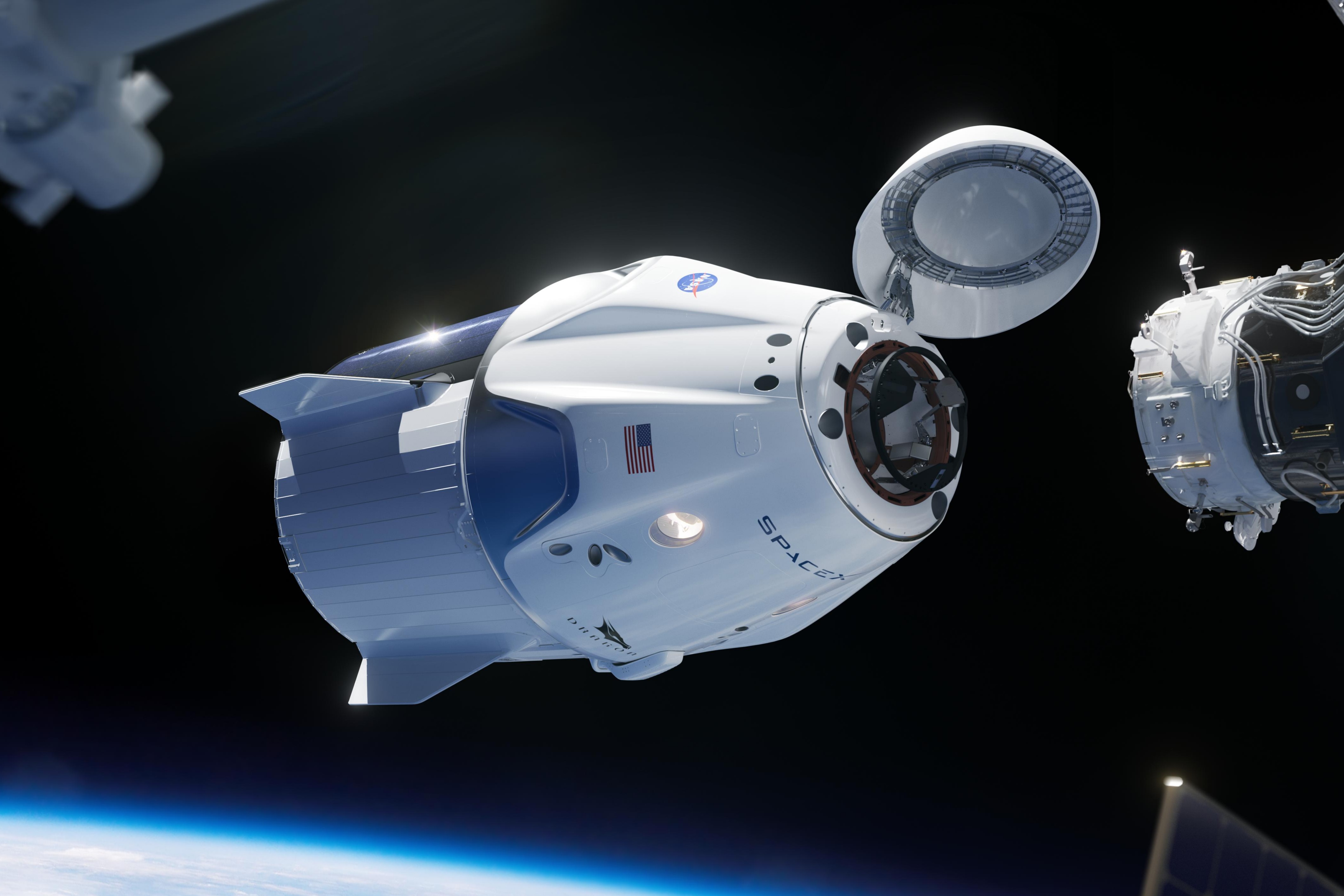
The Federal Communications Commission granted SpaceX conditional approval on Wednesday, November 25, 2026, to deploy up to one million satellites designed to operate as data centers in space. The decision represents a major regulatory victory for Elon Musk's effort to develop orbital computing infrastructure for artificial intelligence.
The proposed satellite network, known as Starmind, would use solar energy to power computer processors orbiting Earth. The system would process information for applications on Earth while reducing some of the demands placed on traditional data centers.
The authorization comes despite objections from technology companies, satellite operators, astronomers and environmental organizations. Critics have raised concerns about orbital congestion, satellite collisions, atmospheric pollution and interference with scientific observations.
FCC Grants Conditional Authorization
The FCC described its decision as the first authorization of its kind in the United States. The agency believes the project could support growing demand for computing power and encourage technological development.
FCC Chairman Brendan Carr welcomed the authorization, describing orbital computing as a new opportunity for American technological leadership.
Musk responded positively to the announcement on X, thanking Carr and expressing confidence in the project's potential benefits.
However, the authorization does not give SpaceX unrestricted permission to deploy the entire constellation immediately. Several regulatory conditions must be satisfied before the company can implement its complete proposal.
SpaceX submitted its original application on January 30, 2026. Federal regulators opened the application for public comment in early February.
How Data Centers in Space Would Work
Traditional data centers contain large numbers of computer processors, storage systems and networking equipment. These facilities require substantial amounts of electricity and cooling infrastructure.
SpaceX proposes transferring some of these operations into low Earth orbit. Its Starmind satellites would carry computing equipment powered primarily by solar panels.
Satellites would operate at altitudes ranging from 500 to 1,002 kilometers above Earth's surface, equivalent to approximately 311 to 623 miles.
Rather than relying primarily on radio communications, Starmind would exchange information through laser connections with other satellites. These connections would include spacecraft belonging to the existing Starlink internet network.
The FCC authorization permits limited radio communications for emergency operations and backup control. SpaceX must coordinate these transmissions to prevent harmful interference with other licensed systems.
The company argues that access to abundant sunlight could improve energy efficiency and reduce the environmental demands associated with data centers on Earth.
Those benefits remain projections rather than demonstrated results from a functioning Starmind network.
SpaceX Faces an Ambitious Deployment Schedule
Federal regulators established four major deployment deadlines under the conditional authorization.
- November 25, 2033: Place the first operational satellite into its assigned orbit.
- November 25, 2035: Deploy and operate 100,000 satellites.
- November 25, 2038: Reach 500,000 operational satellites.
- November 25, 2040: Complete the authorized constellation of one million satellites.
The operating license has a 15-year term that begins once the first spacecraft becomes operational and SpaceX completes the required certification.
According to Reuters, satellite companies sometimes seek authorization for more spacecraft than they ultimately intend to deploy. Whether SpaceX will actually build and launch one million Starmind satellites remains uncertain.
The scale of the proposal is considerably larger than anything the commercial satellite industry has previously attempted.
SpaceX's existing Starlink network contains more than 11,000 satellites, following years of frequent launches. The company would need substantial improvements in spacecraft manufacturing and launch capacity to achieve its proposed Starmind deployment schedule.
Much of that expansion could depend on Starship, the company's next-generation reusable launch vehicle.
Amazon and Astronomers Raise Objections
Amazon's satellite division, Viasat and the American Astronomical Society filed formal objections to the SpaceX application.
Amazon, which is developing its own satellite internet network, questioned whether SpaceX had provided sufficient information to justify authorization for such an enormous constellation.
Astronomers expressed concern that additional satellites could interfere with ground-based telescopes and alter the appearance of the night sky.
Reflected sunlight from satellites can create bright streaks across astronomical images. Radio transmissions can also interfere with sensitive scientific instruments.
These problems could become more difficult to manage if hundreds of thousands of additional spacecraft enter low Earth orbit.
The FCC determined that certain concerns about environmental effects and optical astronomy extended beyond the scope of its communications licensing authority.
That determination does not establish that the environmental risks are insignificant. It reflects the agency's interpretation of its regulatory responsibilities.
Satellite Disposal Remains Unresolved
One of the most significant outstanding issues involves the disposal of satellites after they reach the end of their operational lives.
Current FCC rules generally require satellites completing missions below 2,000 kilometers to reenter Earth's atmosphere within five years.
SpaceX has requested permission to use alternative disposal methods for certain satellites operating above 600 kilometers. Possible destinations include designated disposal orbits around Earth or orbits around the sun.
The FCC deferred its decision on that request because the company had not provided enough information to establish compliance with applicable requirements.
SpaceX must submit additional orbital debris mitigation information before deploying Starmind satellites that will operate above 600 kilometers.
Scientists have warned that crowded orbital regions increase the possibility of collisions. Debris from one collision could damage other spacecraft, creating additional fragments and increasing the risk of further accidents.
Satellite reentries also release materials into the upper atmosphere. Researchers continue investigating how increasing spacecraft activity could affect atmospheric chemistry and the ozone layer.
Cooling and Launch Costs Present Major Challenges
Building large data centers in space involves more than finding an adequate energy source.
An April 2026 report from the U.S. Government Accountability Office identified several major engineering and economic barriers to orbital computing.
Cooling is among the most difficult problems. Although outer space is commonly associated with extreme cold, the vacuum prevents heat from escaping through the movement of surrounding air.
Computing equipment must instead release excess heat through radiation. Large orbital data centers could require extensive radiator systems, adding considerable weight and complexity.
Other challenges include protecting processors from radiation, repairing damaged equipment and transferring enormous quantities of information between spacecraft.
Manufacturing costs, launch expenses and financing requirements could also influence whether orbital computing becomes commercially competitive with conventional data centers.
The FCC's decision establishes a regulatory path for Starmind, but it does not demonstrate that the proposed system is technically or economically viable. SpaceX must still resolve its outstanding satellite disposal requirements and demonstrate that its orbital computing technology can operate reliably before attempting deployment on an unprecedented scale.