

A new study suggests that blood tests may eventually help doctors see how Alzheimer’s treatment is affecting individual patients. Researchers at Washington University School of Medicine in St. Louis tracked blood proteins in people receiving lecanemab, a drug used for early Alzheimer’s disease. The findings could lead to simpler ways to monitor treatment without relying as heavily on costly brain scans.
The study was published September 24 in The Lancet Neurology. It followed 197 patients with early symptoms of Alzheimer’s disease and evidence of amyloid buildup in the brain. All of the patients were treated with lecanemab.
Lecanemab is an anti-amyloid drug sold under the brand name Leqembi. It is designed to remove amyloid plaques, which are sticky protein deposits found in the brains of people with Alzheimer’s disease.
The treatment does not cure Alzheimer’s disease or restore memory that has already been lost.
However, clinical trials have shown that lecanemab can slow the decline in memory and thinking in some people with early disease. The drug is generally used in people with mild cognitive impairment or mild dementia caused by Alzheimer’s.
According to Washington University School of Medicine, researchers wanted to know whether changes in the blood could show what was happening in the brain during treatment. Patients gave blood samples about every six months. They also completed tests of memory and thinking, while some underwent brain imaging.
The research team measured 130 proteins in plasma, the liquid part of blood. They looked for changes linked to the number of lecanemab treatments each patient received. The researchers also compared those changes with amyloid removal and cognitive performance.
The researchers found significant changes in 34 blood proteins during treatment.
Some proteins appeared to move closer to levels seen in people without Alzheimer’s disease. Among them were forms of phosphorylated tau, a protein closely connected with Alzheimer’s disease. Abnormal tau buildup is one of the major biological features of the disease.
Other proteins were associated with inflammation and activity by microglia. Microglia are immune cells in the brain that help remove damaged material and unwanted proteins. Anti-amyloid drugs can activate these cells as they help clear amyloid.
The rise in inflammatory proteins did not appear to be linked with faster cognitive decline in the study. Researchers said some of the inflammatory changes may reflect the immune system responding to treatment as intended.
One of the most useful findings involved proteins associated with amyloid removal. If those markers are confirmed in larger studies, doctors might one day use a blood test to help determine whether amyloid plaques are being cleared from a patient’s brain.
That could reduce the need for some expensive imaging tests.
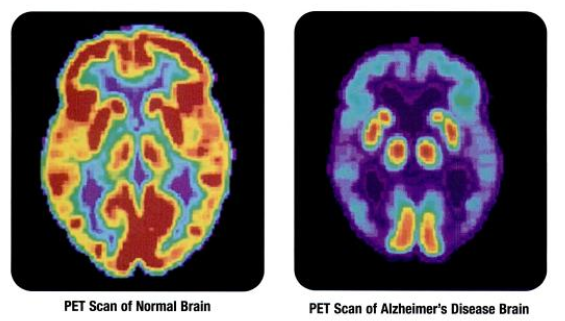
Doctors currently rely on tests such as positron emission tomography scans, commonly called PET scans, to measure amyloid in the brain. These scans can be costly and may not be easy to obtain in every community. Blood testing could be simpler and more widely available.
The researchers also found another group of proteins connected with changes in memory and thinking. Those markers were not necessarily the same proteins that tracked amyloid removal. That suggests removing amyloid and slowing cognitive decline may involve different biological processes.
This difference could help explain why patients do not all respond to anti-amyloid treatment in the same way. A person may have a strong reduction in amyloid without experiencing the same degree of benefit in memory or daily function as another patient.
Researchers say blood markers could eventually provide two kinds of information. One test might show whether a drug is removing amyloid. Another might help estimate how a person’s memory and thinking are likely to change over time.
The study also included comparison groups. Researchers compared the treated patients with 458 people who had no cognitive impairment or amyloid buildup. They also used data from 1,312 people with cognitive impairment who were not receiving anti-amyloid treatment.
Those comparisons helped researchers identify which protein changes were more closely connected with lecanemab treatment.
The U.S. Food and Drug Administration granted traditional approval to Leqembi in 2023 after a confirmatory study showed clinical benefit. The FDA says the drug should be started in patients with mild cognitive impairment or mild dementia, the same stages studied in clinical trials. Patients must also have evidence of amyloid pathology before treatment begins.
Leqembi carries important safety risks. The FDA warns that anti-amyloid drugs can cause amyloid-related imaging abnormalities, known as ARIA. These changes can include swelling or bleeding in the brain and are sometimes serious.
For that reason, patients receiving lecanemab still need medical monitoring and brain imaging for safety.
The Alzheimer’s Association says anti-amyloid therapies are designed to reduce amyloid plaques and slow cognitive and functional decline in people with early Alzheimer’s disease. It also notes that these treatments do not restore memory or thinking abilities already lost to the disease.
Blood biomarkers are becoming increasingly important in Alzheimer’s care. Blood tests can already help doctors detect biological signs associated with the disease. The new study looks at a different question: whether blood can also show how treatment is changing the disease after therapy has begun.
That distinction is important.
A diagnostic blood test helps determine whether Alzheimer’s-related changes are present. A treatment-monitoring test would be used after a patient begins therapy. It could help doctors decide whether treatment is producing the expected biological effect.
Researchers said more work is needed before such tests could be used for that purpose. The study was conducted at a single treatment center, which limits how broadly the results can be applied. The findings also need to be confirmed in larger and more diverse groups of patients.
Even so, the research provides a detailed look at what happens in the blood as amyloid is removed from the brain. It also shows that different biological markers may provide different information about treatment.
If future studies confirm the results, routine blood tests could give doctors a less expensive way to follow some aspects of treatment. They could also give patients and families more information about whether biological changes are occurring during therapy.
For now, brain scans and clinical testing remain important, especially because lecanemab can cause serious side effects. Blood tests may eventually add another monitoring tool that is easier to repeat and easier for patients to access.